























French cocaine seizure: NACOC explains why suspects are not named immediately
The Narcotics Control Commission (NACOC) says revealing the identities of suspected drug traffickers too early could compromise investigations by warning other members of an organised criminal network.
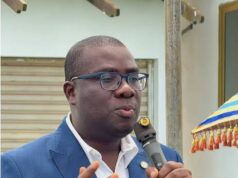
Francis Amoah, Acting Director of Public Affairs and International Relations at NACOC, explained that drug trafficking involves organised groups operating across different countries, requiring investigators to carefully decide when information about suspects can safely be made public.
He said announcing the identity of a suspect immediately after an arrest could alert other individuals connected to the network and give them an opportunity to evade investigators.
“If you get a suspect just yesterday and you bring the suspect’s picture, you mention his or her name, what you are literally doing is that you’re shooting your own leg at the foot because what you’re telling other people who may be involved is that the suspect has been arrested,” Mr Amoah said.
Speaking on Eyewitness News on Monday, September 14, 2026, the NACOC official noted that once members of a trafficking operation learn that one of their associates has been arrested, they could escape or remove evidence before authorities reach them.
“And therefore, if you are linked or connected with the suspect in any way, you can run away. You can run,” he said.
His comments followed calls for the Commission to adopt a “name and shame” policy when suspected drug traffickers are arrested, particularly in the wake of several major cocaine seizures associated with Ghana.
Mr Amoah clarified that NACOC is not opposed to making such information public, but stressed that disclosure must take into account the progress of the investigation and its possible effect on the wider case.
“It is not that as soon as you start your investigation, you’re naming and you’re shaming,” he said.
He explained that investigators first determine which details can be released without exposing intelligence or giving other suspects an opportunity to escape arrest.
“You evaluate, and you see that what information is appropriate for us as a commission to let the Ghanaian people know. And if you let the Ghanaian people know this, is it going to affect the investigations in any way?” he said.
The explanation comes after three suspects were arrested in Ghana following the seizure in France of nearly 3.9 tonnes of cocaine, estimated at about €225 million.
According to NACOC, the suspects are believed to have links to Dutch fugitive Jos Leijdekkers, widely known as “Bolle Jos”, and are currently being held to support investigations into their alleged involvement in the trafficking operation.
Amoah further disclosed that the three individuals had been monitored before their arrests, with NACOC investigators collecting intelligence on them over a period of time.NA







 says revealing the identities of suspected drug traffickers too early could compromise investigation)