




















Poor roads and inadequate bed capacity in parts of the North Tongu District of the Volta Region continue to severely restrict basic healthcare access for local residents. Vulnerable populations—including pregnant women, children, and the elderly—frequently make arduous, multi-hour journeys to distant medical hubs in Akosombo, Peki, and Battor just to receive routine treatment or emergency care.
The infrastructure gaps are particularly acute in the rural communities of Fodzoku and Volo. At the Fodzoku Health Centre, medical staff operate with a total capacity of just three beds, while the Volo Health Centre relies on a single maternity bed to serve its entire population. Local residents report that these extreme space constraints regularly prevent clinical staff from admitting sick patients for overnight monitoring or extended observation. Consequently, individuals suffering from acute illnesses must seek alternative care elsewhere, often delaying vital medical intervention.
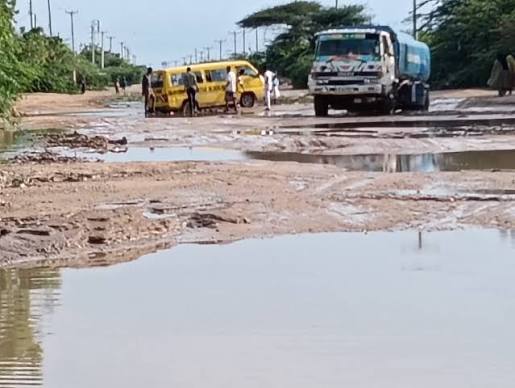
Compounding the bed shortage is the district’s severely degraded road network. Unpaved and poorly maintained transport routes connect these rural electoral areas to larger regional hospitals. For patients facing medical emergencies or women in labor, navigating these rough roads causes significant physical distress and imposes a heavy financial burden due to high transport costs.
Local leaders and residents are actively demanding immediate government and stakeholder intervention. Assembly Members for both the Fodzoku and Volo electoral areas have publicly voiced concerns regarding community safety, calling for direct capital investment to expand existing facility footprints, increase inpatient bed counts, and upgrade connecting roads so residents can access critical maternal and emergency care locally.
In response, the North Tongu District Health Directorate acknowledged these longstanding operational bottlenecks. Health authorities confirmed ongoing discussions with key stakeholders to secure funding, address infrastructure gaps, and expand community health capacity across the district.