












Ghana is leading an African Union-backed global push for reparatory justice over the transatlantic slave trade, seeking compensation, debt relief, cultural restitution and other measures to address the lasting consequences of the enslavement of Africans.Ghana Leads Global Push for Reparations Over Transatlantic Slave Trade
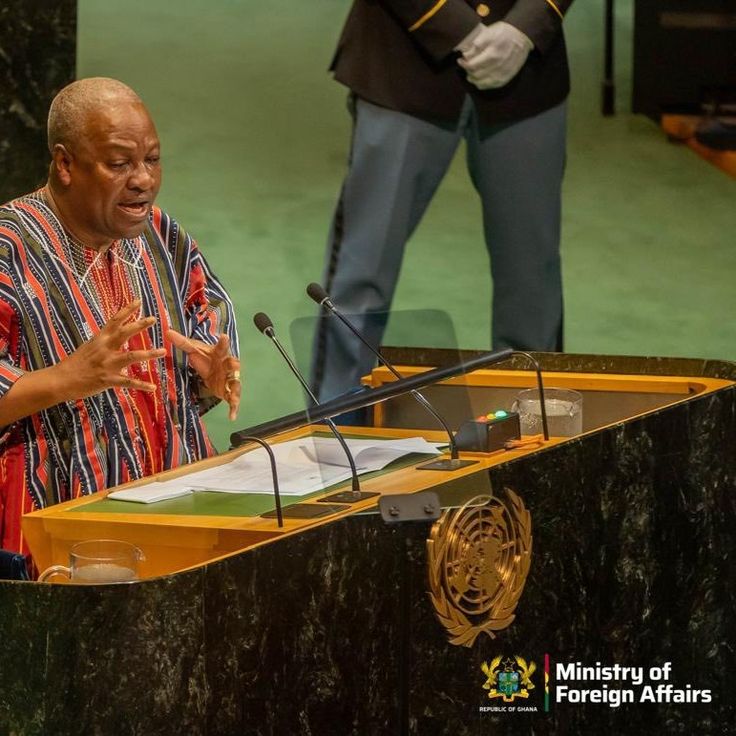
The campaign, led by President John Dramani Mahama in his role as the African Union Champion for Justice and the Payment of Reparations, recorded a major diplomatic breakthrough in March when the United Nations General Assembly adopted a resolution recognising the trafficking of enslaved Africans and racialised chattel enslavement as the “gravest crime against humanity.”
The resolution, tabled by Ghana on behalf of the African Group, was adopted on March 25 with 123 countries voting in favour, three against and 52 abstaining. The United States, Israel and Argentina voted against it, while Britain and European Union member states were among those that abstained.
President Mahama said the resolution was intended to create a foundation for truth, healing and reparatory justice, rather than simply serve as a symbolic acknowledgement of the past.
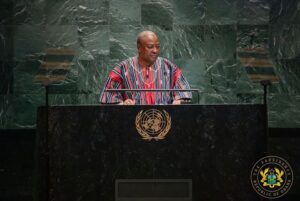
“So today we come together in solemn solidarity to affirm truth and pursue a route to healing and reparative justice,” he said.
Ghana followed the UN vote by hosting a three-day High-Level Consultative Conference on Reparatory Justice in Accra from June 17 to 19. The meeting brought together representatives from more than 80 countries, including heads of state, ministers, diplomats, academics, legal experts, civil society groups and members of the African diaspora.
The conference produced the Accra Next Steps Commitments on Reparatory Justice, a framework aimed at moving the campaign from international recognition towards practical action.
The commitments cover compensation, formal apologies, restitution of cultural property, debt relief and cancellation, educational support, health interventions, economic transformation and legal and institutional reforms.
Foreign Affairs Minister Samuel Okudzeto Ablakwa has stressed that the campaign is not about African governments receiving money for themselves.
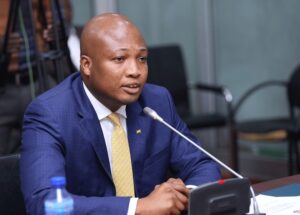
“We are demanding compensation – and let us be clear, African leaders are not asking for money for themselves,” he said, arguing that reparatory justice should support victims and causes such as education, skills training and endowment funds.
Ghana’s position is rooted in the country’s own history. The coastline is home to major sites associated with the transatlantic slave trade, including Cape Coast and Elmina castles, where enslaved Africans were held before being transported across the Atlantic.
The UN estimates that about 13 million African men, women and children were enslaved over several centuries and transported through the transatlantic trade. Ghana argues that the consequences of that history remain visible in economic inequality, cultural dispossession, racial discrimination and other structural challenges affecting Africans and people of African descent.
To drive the next phase of the campaign, President Mahama has established three international bodies: the Global Advisory Panel on Reparatory Justice, the Expert Panel on the Restitution of Cultural Artefacts and the Global Legal Panel on Reparatory Justice.
The campaign is, however, likely to face resistance from countries that do not accept financial responsibility for historical slavery. The UN resolution itself is not a legally binding order requiring countries to make payments.
Ghana and its partners are therefore pushing for a broader framework that goes beyond a direct financial payout. The focus is on restoring cultural property, addressing economic disadvantages, supporting education and healthcare, pursuing legal accountability and creating mechanisms through which Africans and people of African descent can benefit from reparatory measures.
Barbados Prime Minister Mia Mottley, who attended the Accra conference, said the time had come to move beyond recognition.
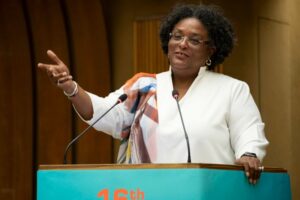
“We have come to Accra to declare that the age of accountability has finally reached the greatest crime against humanity,” she said.
For Ghana, the challenge now is to convert the diplomatic momentum of the UN resolution and the Accra commitments into concrete action.
As Foreign Affairs Minister Ablakwa put it at the conference: “This is our moment. Victory is on the horizon. Our ancestors and posterity will be proud of our collective resolve.”