






















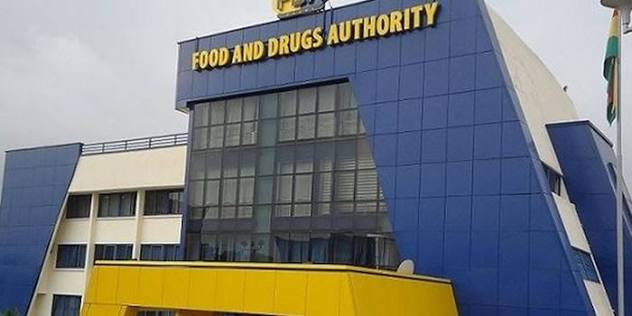
In a decisive move to safeguard public health, the Food and Drugs Authority (FDA) has shut down nearly 60 food and sachet water facilities across the country over safety breaches and non-compliance.
The sweeping regulatory crackdown follows routine surveillance and public complaints that exposed severe sanitation failures, unhygienic environments, and widespread non-compliance with national safety standards. Among the affected sites were two unlicensed sachet water manufacturing operations, which were found producing drinking water in contaminated environments without biometric verification or proper filtration infrastructure.
According to inspection reports released by the FDA, the closed facilities failed basic safety audits required under the Public Health Act. Inspectors cited critical infractions including dirty filtration systems, inadequate pest control measures, improper storage of raw ingredients, and a complete absence of food handler health certifications.
“Public health is non-negotiable,” an FDA official stated following the shutdown exercises. “Consuming unhygienic food or contaminated sachet water poses immediate risks of waterborne and foodborne illnesses like typhoid, cholera, and hepatitis. Operators who choose profits over consumer safety will face the full rigor of the law, including severe legal penalties and permanent closures.”
The regulator has directed all affected businesses to halt operations immediately until full corrective measures are implemented, re-inspections are cleared, and proper regulatory licenses are secured.
The move comes amid growing anxiety among consumers over unregistered, cheap consumables flooding suburban markets and roadside stalls. Sachet water, a daily necessity for millions of Ghanaians, has come under intense scrutiny as illegal producers bypass safety protocols to minimize production costs.
Civil society organizations and health advocates have praised the regulator’s swift enforcement while urging them to maintain consistent market surveillance rather than relying solely on periodic clampdowns.
In response, the FDA has called on the general public to remain active partners in consumer protection. Citizens are advised to carefully check products for valid FDA registration numbers, inspect batch details, and report suspicious manufacturing operations or unhygienic eateries to the authority’s hotline.
As the regulator intensifies its nationwide monitoring, this latest action sends a clear signal to food vendors and water producers across Ghana: compliance is not optional.