



















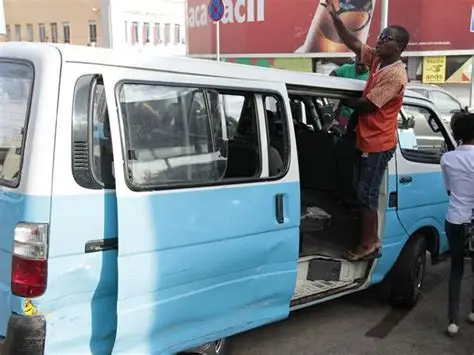
Drivers raise trasnsport fares up to 25 percent.
Public transportation is a vital lifeline for millions of people across Ghana, directly impacting daily commerce .
However, tension has mounted between commercial transport operators and the public following the premature implementation of a 25 percent fare increase across several major terminals in Accra. This development comes despite an official agreement establishing a far lower adjustment, highlighting a deep disconnect between transport policy and enforcement on the ground.
The dispute stems from weeks of negotiations over operational costs. Transport operator unions, including the Ghana Private Road Transport Union (GPRTU) and the Ghana Road Transport Coordinating Council (GRTCC), initially pushed for a 30 percent fare increase to cushion the impact of rising operational expenses, later indicating a willingness to accept 25 percent. However, following a thorough evaluation of cost components by a joint technical team representing the Ministry of Transport, the GPRTU, and the GRTCC, all parties formally settled on a moderate eight percent increase, scheduled to take effect on Saturday, September 26, 2026.
Despite this clear regulatory framework, checks across major terminals—including Dansoman, Lapaz, Abeka, and Kwame Nkrumah Circle—reveal that many drivers have bypassed the official consensus. At the Madina Lorry Station in Dansoman, passengers who previously paid GH¢12 are now forced to pay GH¢16. Similarly, commuters traveling from Last Stop to Lapaz have seen fares jump from GH¢6 to GH¢8, while those heading to the Achimota Overhead are being charged GH¢9 instead of the approved GH¢7.50. These unilateral hikes reflect the 25 percent increase originally demanded by the unions rather than the agreed-upon eight percent.
This premature price hike has created significant friction at loading points across the city. Frustrated pople insist on paying the existing rates until the official Saturday implementation date, arguing that any increase beyond the sanctioned eight percent is exploitation. Meanwhile, drivers and their conductors remain adamant, refusing to board passengers who will not meet their demands. The resulting issuer has triggered heated arguments and exposing the urgent need for regulatory authorities to enforce compliance and restore order to the public transport sector.