

















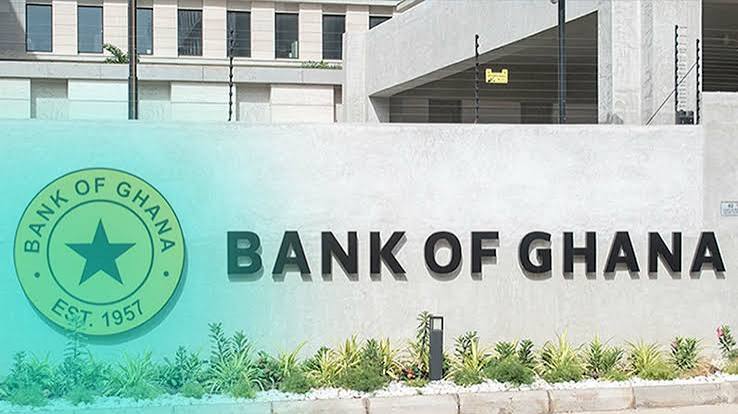
The Governor of the Bank of Ghana, Dr. Johnson Asiama, said the country’s prolonged period of falling inflation has come to an end, with headline inflation rising for three consecutive months, although price growth remains within the central bank’s target range.
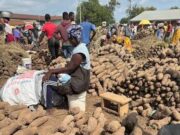
Delivering the opening remarks at the 131st Monetary Policy Committee (MPC) meeting on Monday, July 20, 2026, Dr. Asiama stated that inflation had increased from 3.2% in March to 5.3% in June, driven largely by transport and haulage costs.
He said the recent inflationary trend reflected emerging domestic price pressures even as the economy continued to recover, adding that the central bank would closely monitor developments ahead of its policy decision.
The governor also cautioned that rising geopolitical tensions and volatility in global energy markets could complicate the inflation outlook for Ghana. He noted that renewed hostilities around the Strait of Hormuz had pushed Brent crude oil prices above US$85 per barrel earlier in the week, increasing the risk of imported inflation for commodity-exporting but energy-importing economies such as Ghana.
“For Ghana, as a commodity-exporting yet energy-importing economy, these developments reinforce the need to assess carefully the extent to which external cost pressures may influence domestic inflation,” he said.
Despite these external risks, Dr. Asiama noted that the exchange rate remained broadly stable through the first half of July, helping to moderate imported price pressures.
The Monetary Policy Committee is meeting to assess recent domestic and global economic developments before announcing its latest interest rate decision later this week. Financial markets will be watching closely for signals on how the central bank intends to respond to rising inflation while supporting economic growth.