


















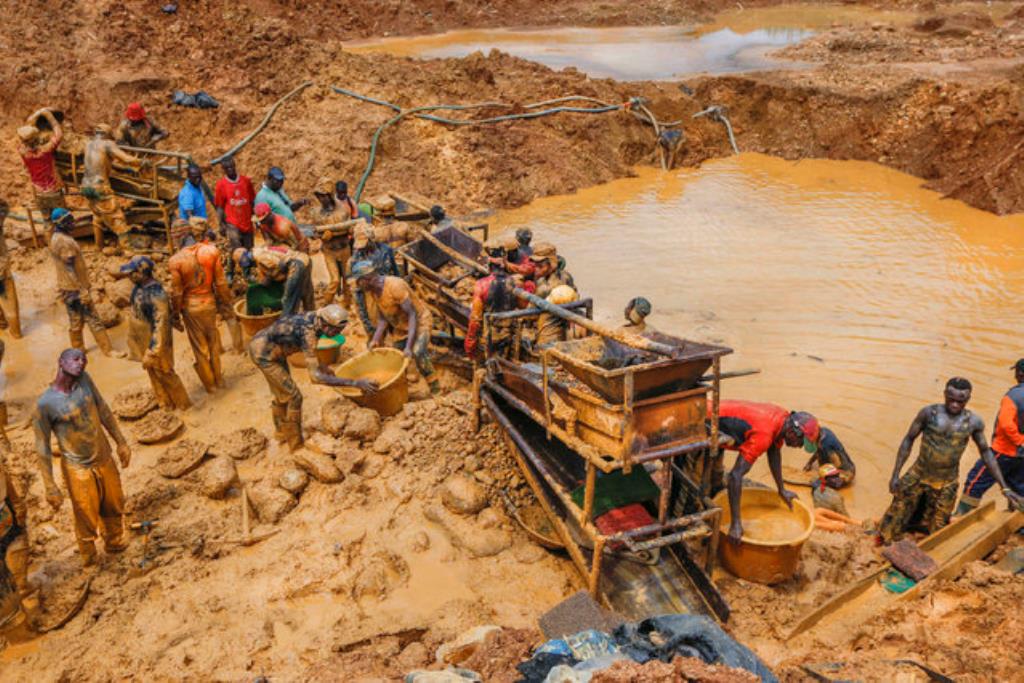
The environmental crisis caused by illegal small-scale mining (galamsey) in Ghana has escalated from a regulatory issue into a full-blown national emergency. Its impact spans vital ecosystems, threatening water security, agriculture, public health, and long-term economic survival.
Dealing with illegal mining is not inherently difficult, but the political will required to stop it is severely lacking. Illegal small-scale miners are not a force that the Ghana Armed Forces cannot overcome; rather, the political mandate to act has simply not been declared.
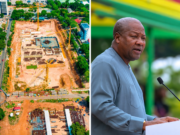
President John Dramani Mahama has addressed the political will needed to combat illegal mining by highlighting the deep-seated political, traditional, and systemic challenges that complicate the fight.
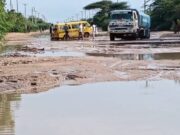
Illegal mining (galamsey) is complex to tackle because participants view it as a high-income enterprise, and the high value per weight breeds greed. This results in hazardous consequences, destroying green forests and vital water bodies. However, the fundamental prerequisite to solving this problem is the declaration of political will—only then can effective prosecution begin.
According to Madam Awula Serwaa, founder and National Coordinator of Eco-Conscious Citizens, a challenge must be issued to the government, political appointees, chiefs, and the police command to unite for the nation. She warns that Ghana is on the verge of an ecological catastrophe, invoking the proverb: “When the last tree dies, the last man dies.” She stresses that there is no point in reclaiming degraded land while more land continues to be destroyed and poisoned by illegal mining.
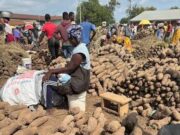
Water experts and state agencies have issued a grim projection: if galamsey continues at its current rate, Ghana could be forced to import potable water by 2030. These toxins do not simply wash away; they bioaccumulate in fish and local agricultural staples such as cassava, plantain, and cocoyam.
Medical and pediatric associations in Ghana have linked heavy-metal pollution from mining sites to a severe rise in chronic kidney disease, liver failure, cancer, and developmental neurological disorders in children. There has also been a documented rise in severe congenital malformations (birth defects) in communities near mining zones.
As environmental groups like Eco-Conscious Citizens have pointed out, the short-term economic gains enjoyed by a few financiers and laborers are vastly outweighed by the multi-billion-dollar cost of future land reclamation, skyrocketing healthcare bills, and the imminent threat of national water scarcity.