

















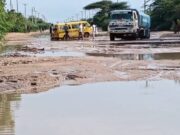




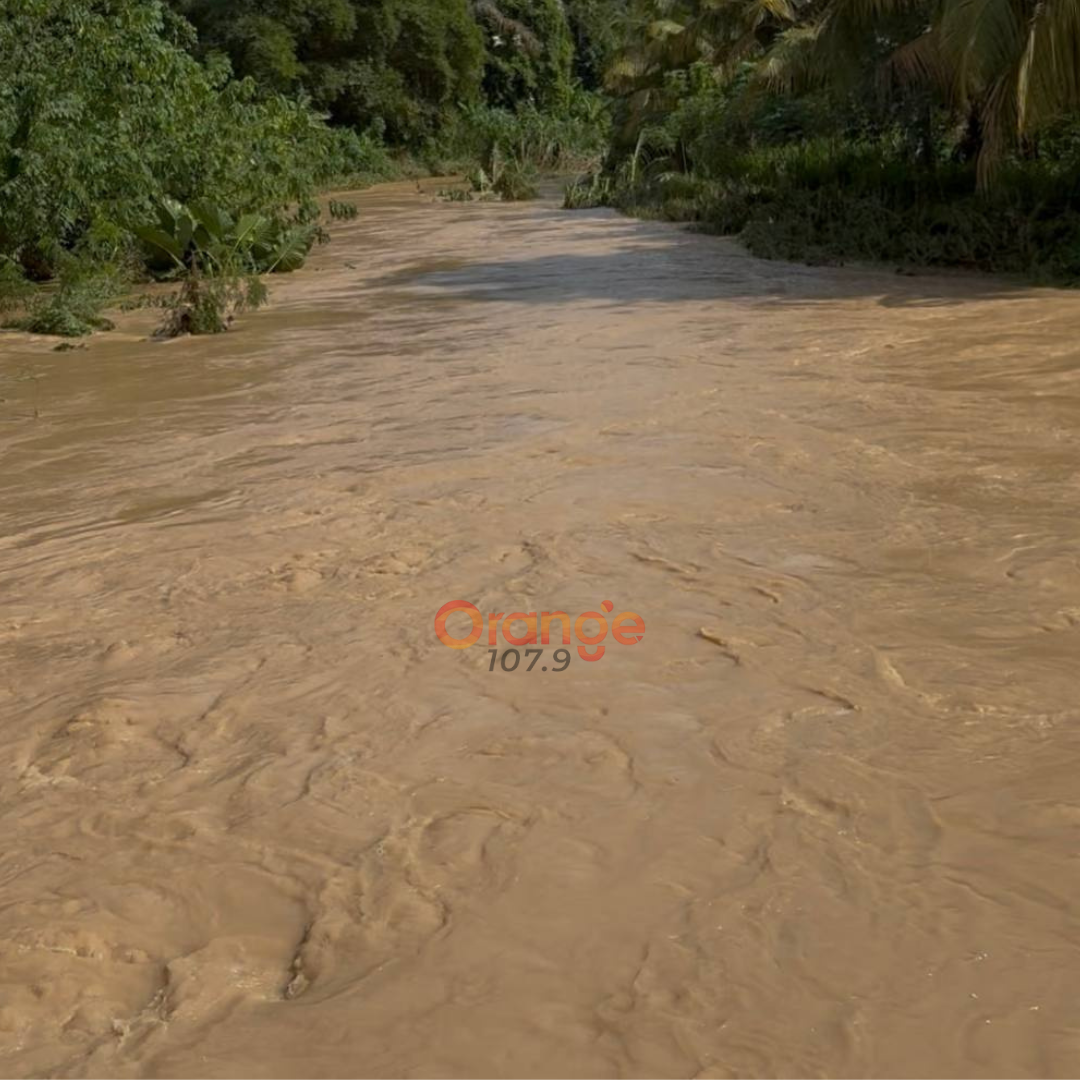
Dr. Samuel Boadi, a senior lecturer at the Department of Forest Resources Technology at the Kwame Nkrumah University of Science and Technology, has attributed the increasing incidents of flooding around the university and parts of Kumasi to the destruction of natural wetlands and the failure of authorities to protect critical water bodies.
Speaking in an interview with Orange Fm’s Ivy Hollys, Dr. Boadi said Ghana has largely failed in safeguarding its natural drainage systems, creating conditions that make flooding more severe whenever heavy rains occur.
According to him, wetlands historically served as natural reservoirs that absorbed and stored large volumes of rainwater before gradually releasing it into rivers and streams. However, years of encroachment and unregulated development have significantly reduced these vital ecosystems.
“As a country, we have failed in protecting our natural water bodies, which act as the primary drainage channels in our cities,” he stated.
Dr. Boadi explained that several studies conducted on wetlands in and around Kumasi reveal that many of these natural water retention areas have either been degraded or completely lost to human activities.
He noted that wetlands are capable of holding millions of gallons of water during rainfall events, reducing the likelihood of floods in urban communities. Their disappearance, he said, has left many areas vulnerable to flooding.
“The areas where water is naturally supposed to be held when it rains have disappeared. These wetlands can hold tons and millions of gallons of water and gradually drain them naturally,” he said.
The forestry expert criticized city authorities for allowing the conversion of wetlands into residential and commercial developments, warning that the consequences are now becoming evident through recurring flood incidents.
Using a vivid analogy, Dr. Boadi remarked, “If you displace the fish and the crocodile and go and live in their habitat, then when it rains, you become the fish. You have to swim.”
He pointed specifically to areas around KNUST, where he said significant changes in land use have occurred over the years. Wetlands that once existed around the university have reportedly been reclaimed and developed into hostel facilities and other structures.
“When we first came to the university, there were several sites around the area that were wetlands. Today, many of those areas have been reclaimed, and hostels have been built on them,” he observed.
His comments come amid growing concerns over flooding in parts of Kumasi following recent heavy rains. Environmental experts have repeatedly called for stricter enforcement of land-use regulations, restoration of degraded wetlands, and stronger urban planning measures to reduce flood risks.
Dr. Boadi stressed that unless authorities take deliberate steps to protect the remaining wetlands and restore degraded ones, flooding incidents in Kumasi and other urban centres are likely to worsen in the years ahead.
The remarks add to the ongoing conversation about sustainable urban development and the need to balance infrastructure expansion with environmental conservation, particularly as climate change continues to increase the intensity and frequency of rainfall events across Ghana.


