



















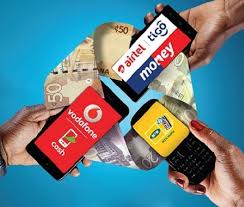
Ghanaians are holding more money in their mobile money wallets than ever before, with total mobile money float reaching a record GH¢40 billion in June 2026.
The latest payment systems data from the Bank of Ghana shows that mobile money float increased from GH¢28.9 billion in June 2025 to GH¢40 billion a year later, representing growth of more than 38%.
The sharp increase highlights the growing importance of mobile money in Ghana’s financial system, as digital wallets increasingly serve purposes beyond sending and receiving funds.
For many households, informal businesses and small enterprises, mobile money wallets are becoming convenient places to keep funds for everyday expenses, business operations and unexpected financial needs.
The rise in wallet balances also points to a broader shift in how Ghanaians manage their money. Rather than immediately withdrawing funds as cash, more users appear to be retaining money digitally and accessing it when needed.
Mobile money usage continues to expand
The growth in mobile money balances has been accompanied by a significant increase in the number of accounts.
Registered mobile money accounts rose from 76.4 million in June 2025 to 84.6 million in June 2026. Active accounts also increased to 26.4 million, indicating continued demand for digital financial services.
Transaction volumes remained particularly strong during the month. Mobile money platforms recorded 954 million transactions valued at GH¢492.9 billion in June alone.
The transactions covered a wide range of financial activities, including person-to-person transfers, merchant payments, bill payments, salary disbursements and remittances.
The figures underline the extent to which mobile money has become embedded in Ghana’s everyday economic activity, particularly as the country continues to move towards a more cashless financial environment.
Agent network crosses one million
The expansion of mobile money services has also been supported by a growing nationwide agent network.
Registered mobile money agents surpassed the one-million mark, reaching 1.016 million in June 2026. Active agents stood at approximately 546,000.
The expanding network could further improve access to financial services, particularly for people in communities where traditional banking services remain limited.
For rural and underserved populations, mobile money agents often provide a convenient point for accessing digital financial services, making the growth of the agent network an important factor in advancing financial inclusion.
Cross-network transfers gain momentum
Interoperability between mobile money platforms also recorded strong activity during the period.
Data for June showed that users completed 33 million cross-network transactions worth GH¢6.2 billion.
The figures suggest that consumers are increasingly taking advantage of the ability to transfer money between different mobile money networks, reducing some of the barriers traditionally associated with using separate platforms.
As interoperability improves, the development could contribute to a more connected and efficient digital payments ecosystem.
Mobile money’s growing role in Ghana’s economy
The latest data reinforces the position of mobile money as a major part of Ghana’s financial infrastructure.
The sector is no longer limited to basic money transfers. Its expanding role in payments, commerce, savings and access to financial services is changing how individuals and businesses manage and move money.
With mobile money balances, account numbers, transaction volumes and agent networks all recording substantial growth, the sector is likely to remain a key driver of Ghana’s digital financial transformation.
The continued expansion could also support broader efforts to increase financial inclusion and reduce reliance on cash, particularly as more households and businesses adopt digital channels for everyday financial activities.