















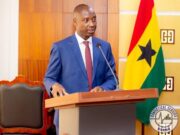






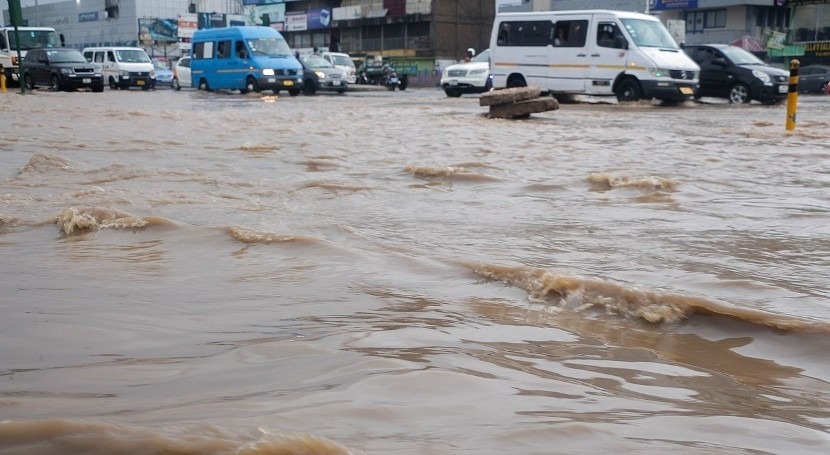
Chairman of the National Development Planning Commission (NDPC), Nii Moi Thompson, says many of the flooding challenges currently affecting the capital could have been avoided if recommendations outlined in a national development framework over a decade ago had been implemented.
Speaking in an interview, Dr. Thompson argued that the recurring Accra flood situation is the result of years of neglect of carefully developed policies aimed at managing population growth, infrastructure development, and urban planning in the Greater Accra Region.
According to him, the plans were not only designed to address challenges within Accra but also sought to reduce pressure on the capital by promoting balanced development across other parts of the country.
“The bulk of the responsibility lay with the central government because it provides most of the infrastructure and sets the policies that local governments are expected to follow,” he explained.
Dr. Thompson noted that the proposed measures included strategies to improve infrastructure and distribute economic opportunities more evenly across Ghana. However, he said the failure to implement these plans has contributed significantly to the challenges being experienced today.
He pointed out that Greater Accra, despite being the smallest of Ghana’s 16 regions and occupying only about 1.4 percent of the country’s land area, had by 2021 become the most populous region, overtaking the Ashanti Region.
According to him, this rapid population growth placed enormous pressure on infrastructure that was already limited and, in many cases, dated back to the colonial era.
“The existing infrastructure was overwhelmed. Most of it existed from colonial times,” he stated.
Dr. Thompson dismissed suggestions that funding constraints were responsible for the failure to implement the plans.
“It had nothing to do with funding. It has everything to do with people who denounced the plan before they had even read it,” he said.
He explained that implementation of the recommendations was expected to begin in 2018, stressing that the framework was not intended to limit the ability of future governments to make policy decisions but rather provide a long-term roadmap for national development.
The NDPC chairman believes the country has paid a heavy price for the lack of implementation over the past decade.
“We’ve lost a lot in the past 10 years because all these things should not have happened if we had done the right thing,” he added.
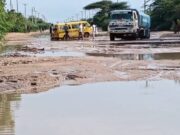
His comments come amid renewed concerns over the recurring Accra flood problem following recent heavy rains that left several communities inundated, reigniting discussions about urban planning, drainage systems, and the enforcement of development regulations in the capital.


, Nii Moi Thompson, says many of the flooding challenges currently affecting..)