



















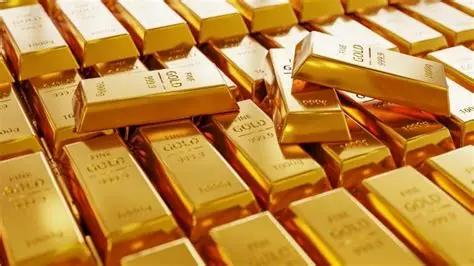
Ghana has restarted large exports of gold, which is giving a major boost to the country’s foreign money savings, known as international reserves.
Dr. Johnson Asiama, the Governor of the Bank of Ghana, shared this positive news after the central bank’s latest interest rate meeting. He explained that while the Ghana Gold Board (GoldBod) had seen a slowdown in regular gold shipments over recent months, it never stopped exporting completely. In fact, brand-new data showed that a very large shipment of gold went out just last week, quickly changing the financial outlook for the better.
Building up these reserves helps keep Ghana’s economy stable. Right now, the country has enough savings to cover about 4.5 months of imported goods, which is safely above the standard safety target of 3 months. To keep building up these savings, the central bank plans to rely not just on gold, but also on money coming in from other exports like farm produce and manufactured goods.
However, the Governor pointed out one main risk to this plan: global gold prices. Because Ghana cannot control world prices, changes in international markets—such as interest rate hikes in the United States—can push gold prices down. Higher world prices bring in more money for Ghana, while lower prices mean less income from gold sales.
Despite these global price changes, the Bank of Ghana feels confident about the country’s financial direction. As a result, the central bank decided to keep its main interest rate unchanged at 14% for the third meeting in a row.