
























The Institute for Fiscal Studies (IFS) has criticised the government for failing to maximise revenue from Ghana’s small-scale mining sector despite significant growth in gold exports from the industry.
The policy think tank raised the concern in its analysis of the 2026 Mid-Year Budget Review, arguing that the government has not adequately addressed the revenue potential of small-scale mining.
According to the IFS, data and publications from the Bank of Ghana indicate that while gold exports from small-scale mining have increased over the years, the revenue generated for the state remains relatively low.
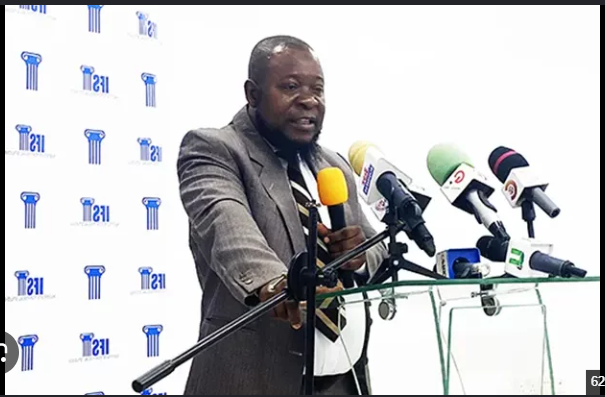
Executive Director of the IFS, Dr Said Boakye, said the situation represents a missed opportunity, particularly at a time when government is seeking additional resources to finance national development.
He criticised the 2026 Mid-Year Budget Review for failing to clearly outline measures to improve revenue mobilisation from the sector.
“It is appalling to note that the Mid-Year Budget Review fails to articulate government strategy on how to increase revenue from the small-scale mining sector, looking at how critical the sector is and the potential it holds for our economy,” he said.
Dr Boakye further argued that improving revenue collection from mining could help government address some of the financing gaps in the national budget.
He noted that the potential could be even greater if Ghana strengthens efforts to add value to minerals and other raw materials before export.
The IFS Executive Director also pointed to data suggesting that small-scale mining contributes substantially to Ghana’s gold exports, saying the state must develop effective mechanisms to ensure that increased production translates into higher public revenue.
IFS concerned about government spending
Beyond revenue mobilisation, the IFS also raised concerns about government expenditure during the first half of 2026.
Dr Boakye said government had programmed expenditure of GH¢172.54 billion for the first six months of the year but spent considerably less than the amount budgeted.
He warned that significant underspending could affect the implementation of government programmes and undermine the credibility of the national budget.
“The considerable underspending in the first half of 2026 relative to the budget plan not only undermined the budget’s credibility but, more importantly, it also left much to be desired in terms of growth and development of the country.”
According to him, the lower-than-planned expenditure could have wider implications for infrastructure development and other government programmes, particularly in sectors where public investment is needed to stimulate economic activity.
Dr Boakye attributed part of the spending shortfall to weaker-than-expected revenue inflows, warning that continued revenue constraints could affect the implementation of government policies.
IFS calls for targeted infrastructure spending
The think tank is therefore calling on the government to prioritise expenditure on key infrastructure and productive sectors of the economy.
Dr Boakye said targeted investments in infrastructure could help create the conditions needed for economic growth while ensuring that limited public resources are used efficiently.
He also urged government to fully implement expenditures that have already been approved in the national budget.
The IFS believes stronger revenue mobilisation from sectors such as small-scale mining, combined with more effective and targeted public spending, would provide greater fiscal space for government to pursue its development priorities.








 has criticised the government for failing to maximise revenue from Ghana’s small-scale mining sector)