





















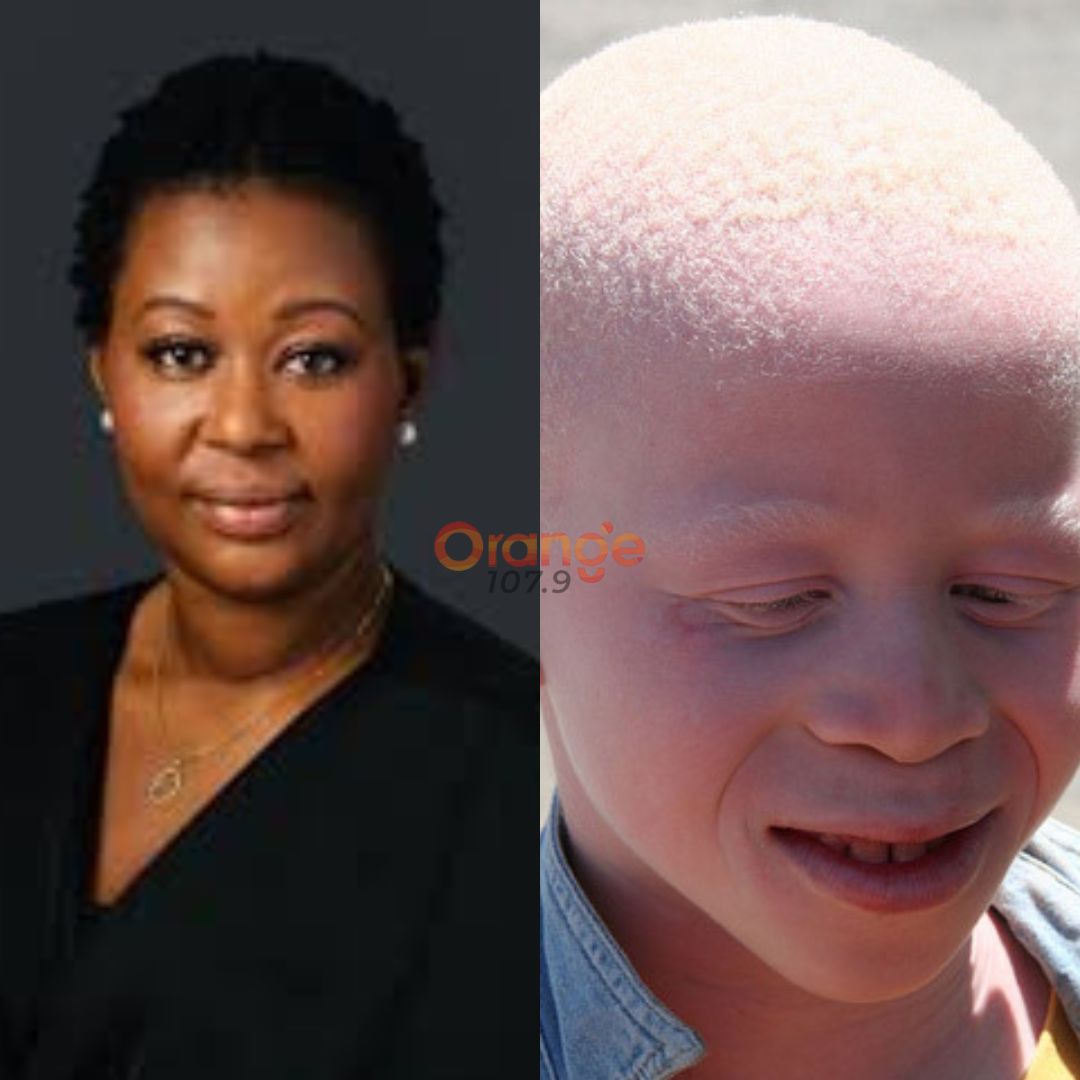
Hon. Ewurabena Aubynn has called for stronger support systems and greater inclusion for persons living with albinism as Ghana joins the rest of the world to observe International Albinism Awareness Day.
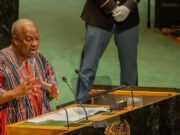
Speaking on the floor of Parliament on the 12th of June, ahead of the international albinism awareness commemoration, the member of Parliament for Ablekuma North highlighted the challenges faced by persons with albinism and urged stakeholders to address the social, health, and economic barriers confronting them. According to the MP, the theme serves as a reminder of the need to embrace diversity, reject color-based discrimination, and affirm the equal dignity and rights of persons living with albinism.
She noted that while awareness about albinism has increased globally, many persons living with albinism continue to experience stigma, prejudice, and social exclusion because of their appearance. “International Albinism Awareness Day reminds us that every individual deserves respect, dignity, and equal opportunities regardless of their skin color or genetic condition,” she stated.
This year’s International Albinism Awareness Day is being observed under the theme, “Proudly in My Skin: Celebrating All Skin Tones.” Hon. Aubynn explained that albinism is a genetically inherited condition characterized by reduced or absent melanin pigment in the skin, hair, and eyes. She noted that persons with albinism often face visual impairments and are at a heightened risk of skin damage and skin cancer due to prolonged exposure to ultraviolet radiation.
The MP expressed concern about the health challenges confronting persons living with albinism in Ghana, particularly the high incidence of skin cancer. She observed that Ghana’s tropical climate and intense sunlight place persons with albinism at greater risk, yet access to sunscreen, regular dermatological care, and treatment remains out of reach for many affected individuals.
Access to eye care services also remains a major challenge, she said, noting that visual impairments associated with albinism can significantly affect educational attainment and employment opportunities. According to her, specialized eye care services, assistive devices, and educational support structures are often inadequate, making it difficult for many persons with albinism to reach their full potential.
Hon. Aubynn further highlighted the difficulties faced by children with albinism within the educational system. She said bullying, stigma, and the lack of appropriate learning materials and classroom accommodations continue to create barriers to learning.
“These challenges can undermine their academic performance and limit their full participation in school,” she told Parliament.
The Ablekuma North legislator also raised concerns about employment discrimination and economic exclusion, noting that misconceptions about the abilities of persons with albinism continue to deny many of them opportunities in the workplace.
She stressed that persistent stigma and social prejudice can negatively affect the confidence, mental health, and overall quality of life of persons living with the condition.
As the world marks International Albinism Awareness Day, Hon. Aubynn called on government institutions, civil society organizations, and the public to work together to eliminate discrimination and create an environment where persons with albinism can thrive.
She emphasized that celebrating all skin tones must go beyond symbolism and translate into practical measures that guarantee equal access to healthcare, education, employment, and social protection for persons with albinism.


