


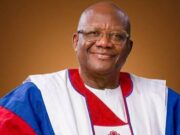






Parliament has approved the nominations of Justice Sophia Rosetta Bernasko-Essah, Justice Edward Amoako Asante and private legal practitioner Anthony Forson Jnr for appointment to Ghana’s Supreme Court.
The approval followed a vetting process that was boycotted by the Minority Caucus, which had earlier raised concerns about the timing and urgency of the nominations.
The Minority subsequently withdrew from the committee proceedings, allowing the Majority to proceed with the vetting and consideration of the three nominees.
Despite the absence of the Minority representatives, the committee recommended all three nominees for approval by the full House.
Justice Sophia Rosetta Bernasko-Essah currently serves on the Court of Appeal and has several years of judicial experience. She was previously nominated for elevation to the Supreme Court in 2024, although the process was not completed before the change in government.
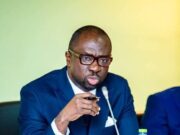
Justice Edward Amoako Asante, also a Justice of the Court of Appeal, has significant experience in both Ghanaian and regional judicial administration. He previously served as President of the ECOWAS Court of Justice before returning to Ghana’s Court of Appeal.
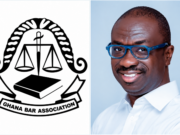
Anthony Forson Jnr, a private legal practitioner and former President of the Ghana Bar Association, brings extensive experience from private legal practice and the legal profession.
The Minority’s decision to boycott the proceedings came after the caucus questioned the need to expedite the nominations.
Minority Leader Alexander Afenyo-Markin had argued that there was no immediate vacancy requiring the process to be rushed, suggesting instead that Parliament had sufficient time to undertake a comprehensive vetting.
The Minority’s concerns, however, did not prevent the committee from proceeding with the exercise.
Following the committee’s recommendation, the nominees were presented to the full House for consideration and approval.
The parliamentary approval represents a major step in the constitutional process for appointing the three nominees to the Supreme Court.