



















The Minority in Parliament is demanding greater transparency from the Ghana Gold Board (GoldBod) over reported losses of more than US$1.7 billion linked to the country’s domestic gold purchasing programme in 2025.
The Minority says GoldBod must explain how the losses were incurred and identify the parties that benefited from gold sold at discounted prices, particularly as the institution continues to highlight the foreign-exchange gains generated by its operations.
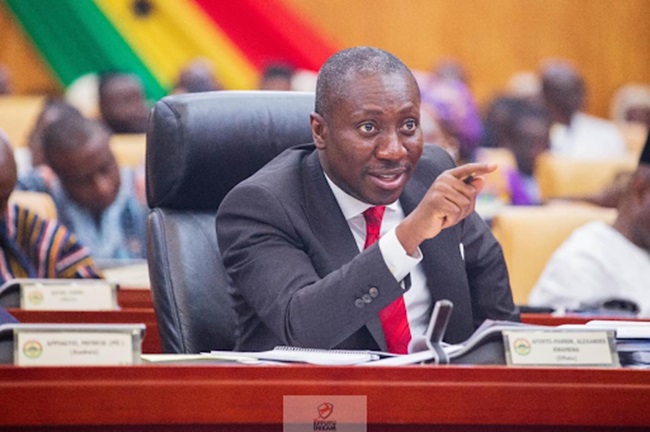
The concerns were raised by Minority Leader Alexander Afenyo-Markin at a press briefing on Tuesday, August 18, following an August report by the International Monetary Fund (IMF).
According to the IMF report, the Bank of Ghana’s Domestic Gold Purchase Programme, implemented through GoldBod, recorded losses exceeding US$1.7 billion in 2025. The amount, the IMF indicated, was equivalent to about 1.5% of Ghana’s Gross Domestic Product (GDP).
Minority questions GoldBod’s handling of losses
Mr Afenyo-Markin argued that GoldBod should account for both the revenue generated by its activities and the costs of generating that revenue.
He questioned why GoldBod should retain credit for foreign exchange generated through its gold trading operations while the losses arising from the same transactions are reflected on the Bank of Ghana’s balance sheet.
“If every one of those services, service fees and asset fees were collected and kept, why should the losses that came bundled with earning them belong to someone else?” he asked.
He added that an institution cannot claim the benefits of a transaction while distancing itself from the risks and costs involved.
The Minority Leader stressed that the issue was not an attempt to undermine GoldBod’s reported profits but rather to establish how the underlying transactions, pricing decisions and fee arrangements contributed to those returns.
Questions over discounted gold sales
A major concern raised by the Minority is the identity of the off-takers who purchased gold from GoldBod, as well as the circumstances surrounding discounted sales.
Mr Afenyo-Markin argued that Parliament and the Ghanaian public deserve greater clarity on who benefited from such transactions and why gold was allegedly sold below certain market values.
He maintained that GoldBod’s reported foreign exchange gains could not be considered in isolation from the transactions that generated them.
The Minority is therefore seeking details of the entities that purchased the gold, the pricing mechanisms used and the reasons for any discounts granted.
Bank of Ghana’s role under scrutiny
The Minority Leader also raised concerns about the financial arrangement between GoldBod and the Bank of Ghana.
According to him, the central bank provided funds for gold purchases, while some of the resulting losses were ultimately reflected in the Bank of Ghana’s financial position.
He argued that this arrangement could create a situation in which GoldBod benefits from revenues and fees generated from gold trading while the central bank—and ultimately the taxpayer—bears the associated financial risks.
Mr Afenyo-Markin consequently called on GoldBod to provide a full account of the transactions and financial arrangements underpinning the domestic gold purchasing programme.
Minority calls for full disclosure
The Minority is demanding explanations on the identities of GoldBod’s off-takers, the basis for discounted gold sales, the fee structures applied to transactions and how the reported losses were incurred.
The questions come amid continued government efforts to use the domestic gold purchasing programme as a tool for increasing Ghana’s foreign exchange reserves and strengthening the country’s external position.
For the Minority, however, the reported US$1.7 billion loss raises questions about whether the financial benefits and risks of the programme have been properly allocated and transparently reported.
Mr Afenyo-Markin said the Minority would continue to scrutinise the transactions behind GoldBod’s reported performance, arguing that the public deserves a complete picture of both the gains and costs associated with the country’s gold trading operations.