


















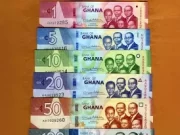





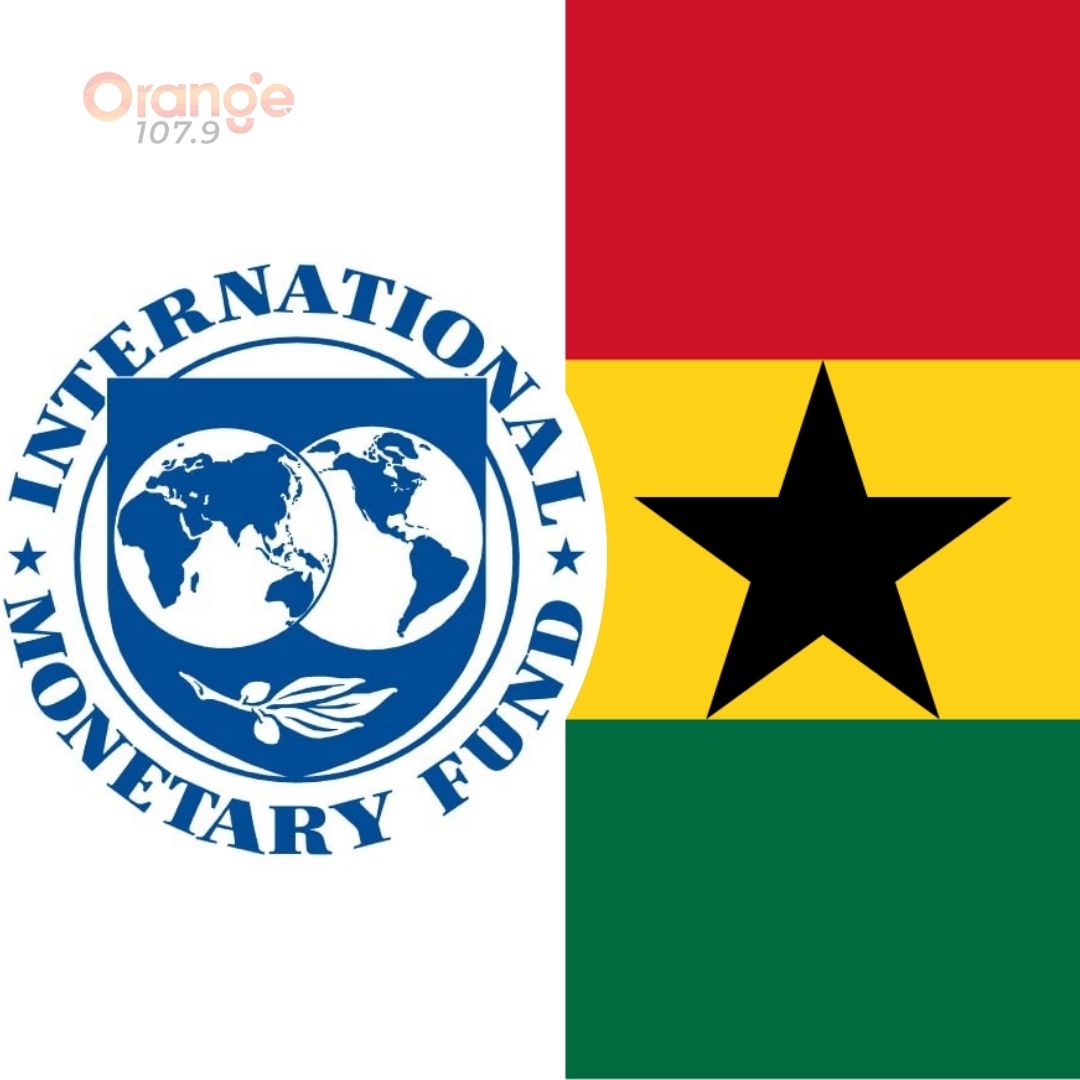
After three years under a $3 billion bailout programme, Ghana has officially exited the International Monetary Fund’s (IMF) Extended Credit Facility (ECF), marking the end of a major phase in the country’s economic recovery efforts.
The bailout programme was introduced during one of Ghana’s most challenging economic periods, when inflation was rising sharply, the cedi was losing value, government debt had become unsustainable, and investor confidence had declined.
Three years later, Ghana’s economic indicators have improved significantly. Inflation has fallen, economic growth has resumed, foreign reserves have increased, and the country has recorded improved investor confidence. The government has described the IMF programme as a success, citing the progress made during the period.
However, Ghana’s exit from the IMF’s lending programme does not mark the end of the country’s engagement with the Fund.
The country has moved onto a new arrangement known as the Policy Coordination Instrument (PCI), which is expected to run until 2029.
Unlike the Extended Credit Facility, the PCI does not provide new loans. Instead, it allows the IMF to continue monitoring Ghana’s economic reforms, provide technical support and offer assurance to investors regarding the country’s commitment to maintaining fiscal discipline.
The arrangement will allow Ghana to continue implementing economic policies under IMF supervision while no longer receiving financial assistance under the bailout programme.
Ghana’s exit from the programme also means the country will begin repaying funds borrowed from the IMF.
Under the IMF’s Poverty Reduction and Growth Trust, the government will make repayments over the coming years, with obligations expected to continue into the next decade and peak around 2030.
The repayment commitments will require the government to balance debt servicing with spending on key sectors, including infrastructure, education, healthcare and other public projects.
Economists have highlighted the importance of maintaining strong export earnings as Ghana manages its repayment obligations.
Gold, cocoa and crude oil remain the country’s major sources of foreign exchange, and developments within these sectors will be important to Ghana’s ability to meet its financial commitments.
Ghana’s exit from the IMF bailout programme brings an end to a significant period of economic intervention, while the country continues under IMF monitoring through the Policy Coordination Instrument until 2029.








 Extended Credit Facility (ECF), marking the end of a major phase)