


























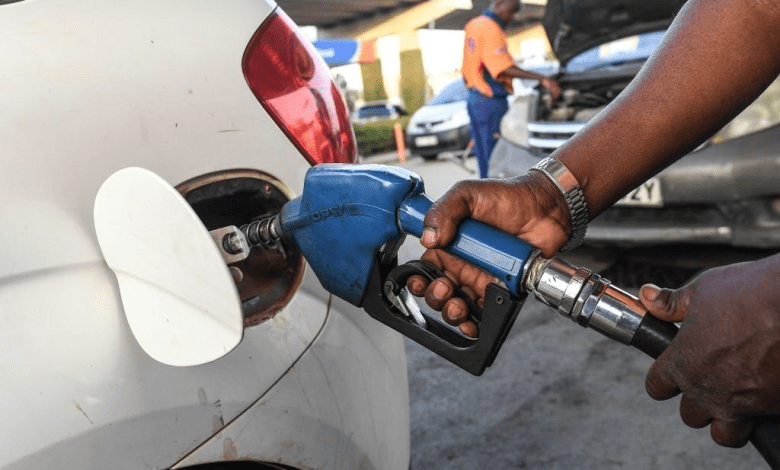
The Africa Centre for Energy Policy (ACEP) has urged the government to revive measures aimed at cushioning consumers from rising fuel prices, warning that renewed tensions in the global oil market could soon reverse recent reductions at the pumps.
The policy think tank says Ghana, which relies heavily on imported refined petroleum products, is vulnerable to international price shocks as crude oil prices continue to climb.
ACEP’s concerns follow a fresh surge in global oil prices, with Brent crude approaching the $80 per barrel mark after escalating tensions involving the United States and Iran, as well as attacks on oil tankers passing through the Strait of Hormuz—one of the world’s most strategic energy shipping routes.
The latest developments have raised fears of supply disruptions and have already begun pushing crude oil prices upward after months of relative stability that contributed to lower fuel prices in Ghana.
Speaking in an interview, ACEP’s Policy Lead for Petroleum and Conventional Energy, Kodzo Yaotse, said Ghana should begin preparing for the likelihood of higher fuel prices if the geopolitical situation persists.
He recalled that similar market uncertainty earlier this year saw crude oil prices rise above $100 per barrel, demonstrating how quickly international events can affect energy markets.
“We have seen when it happened from late February throughout March, where crude prices went all the way to above $100 a barrel. Such uncertainties occasioned by disruptions in the supply of crude products are something that we should expect,” he said.
According to him, crude oil is already trading at about $75 per barrel as markets react to concerns that Iran could once again disrupt shipping through the Strait of Hormuz.
Kodzo Yaotse explained that for countries such as Ghana, higher international oil prices inevitably translate into increased domestic fuel costs because importers pass on the additional costs to consumers.
“For net importers like Ghana, it means there will be a pass-through of the costs. If the global prices are increasing again, we have to prepare for the pass-through of the price increments, and unfortunately, that is what we have to contend with,” he stated.
ACEP believes reintroducing targeted fuel price relief measures could help cushion households and businesses from the impact of any sustained increase in petroleum prices while the global market remains volatile.








 has urged the government to revive measures aimed at cushioning consumers from rising fuel prices)