
























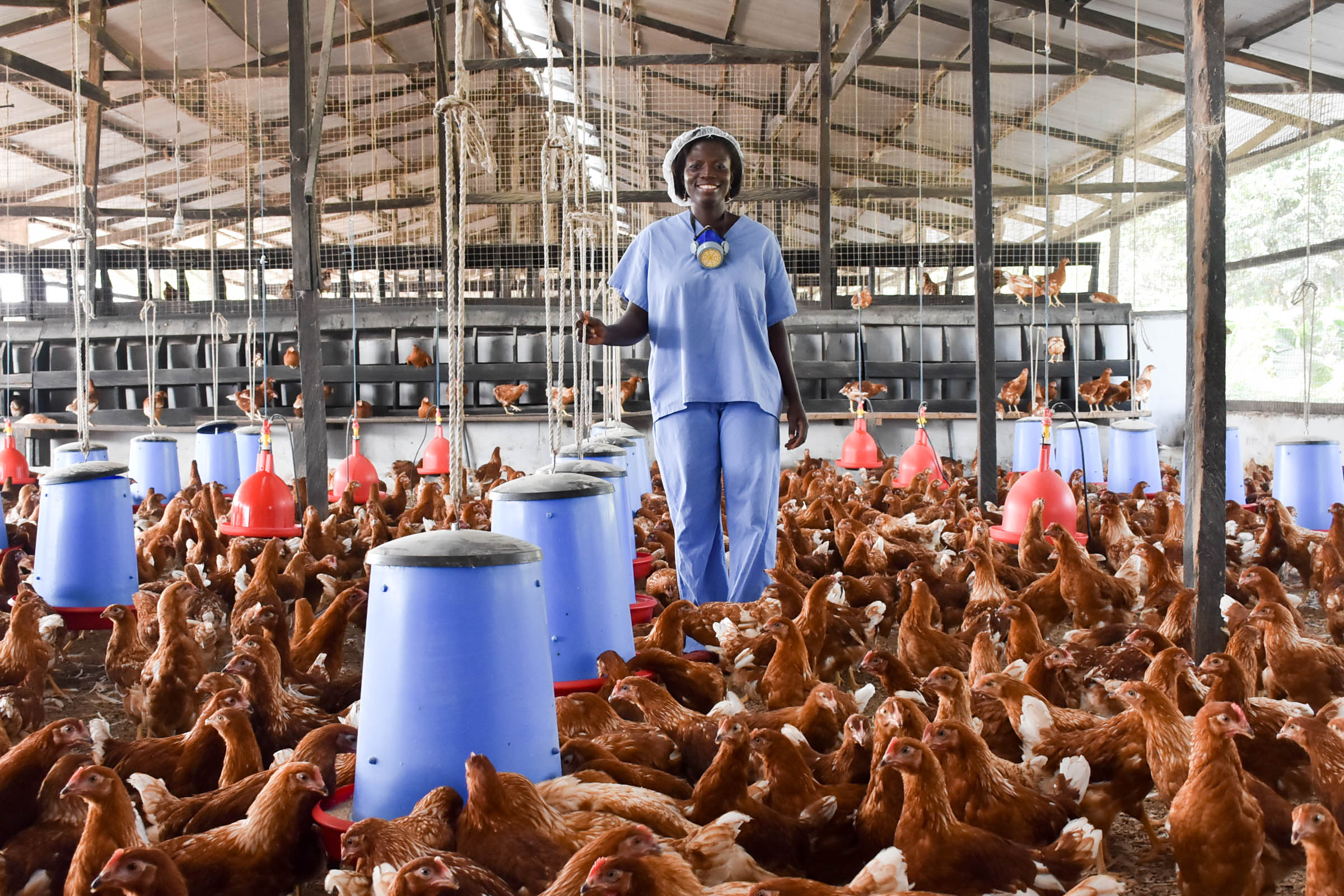
The Poultry Farmers Association of Ghana (PFAG) is urging the government to overhaul the implementation of the Nkoko Nkitinkiti programme before its second phase begins, warning that the initiative risks falling short of its objectives unless key operational challenges are addressed.
The association says the programme has strong potential to boost local poultry production and reduce Ghana’s dependence on imported chicken, but argues that weaknesses in the rollout of the first phase significantly undermined its impact.
Speaking in an interview with Citi News, the Chief Executive Officer of the association, Ali Mohammed, said poultry farmers supported the initiative from its inception and participated in discussions during its design. However, he said the implementation failed to provide beneficiaries with the technical and logistical support needed to succeed.
His comments follow remarks by the Minister for Food and Agriculture, Eric Opoku, before Parliament’s Assurances Committee on Thursday, July 9, where the Minister disclosed that some beneficiaries consumed the birds they received instead of raising them for commercial production.
While acknowledging that some beneficiaries may have failed to use the birds for their intended purpose, Ali Mohammed maintained that implementation challenges were a much bigger contributor to the programme’s disappointing outcomes.
According to him, many participants received chicks without adequate training in poultry management, leaving them ill-prepared to care for the birds. He added that delays in the distribution of feed further compounded the problem, resulting in significant losses.
“In some instances, the birds were distributed, but the feed did not arrive for several weeks. Some of the birds died, and the mortality rate in the first listing was about 50 per cent,” he said.
He further claimed that even among the surviving birds, many failed to attain market weight within the expected production period, making them less attractive to buyers and reducing the commercial viability of the project.
Ali Mohammed stressed that addressing these shortcomings would be critical to the success of the programme’s next phase. He called on the government to work more closely with experienced poultry industry stakeholders to strengthen beneficiary selection, training, feed distribution and technical supervision.
The Poultry Farmers Association, he said, remains ready to partner with the Ministry of Food and Agriculture by providing technical expertise to improve implementation and ensure the programme delivers its intended benefits.
The Nkoko Nkitinkiti programme is one of the government’s flagship agricultural initiatives aimed at increasing domestic poultry production, creating jobs and reducing Ghana’s reliance on imported poultry products. Industry stakeholders believe that with stronger coordination and better technical support, the programme could play a significant role in expanding the country’s poultry sector and improving food security.







 is urging the government to overhaul the implementation of the Nkoko Nkitinkiti programme)