





















Ghana’s growing plastic waste problem has once again come under the spotlight, with environmental advocates urging authorities to take stronger action against single-use plastics and improve waste segregation practices across the country.
The call comes amid concerns that plastic waste continues to overwhelm landfill sites and pollute the environment despite government efforts to address the issue.
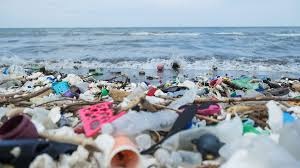
According to environmental experts, Ghanaians consume more than eight billion sachets of water annually, generating over one million tonnes of plastic waste. However, nearly 86 percent of this waste is improperly disposed of, contributing to clogged drains, polluted rivers, beaches, waterways, and contaminated soil.
Speaking during a discussion on Ghana’s sanitation challenges on Joynews, concerns were raised about the state of major landfill sites, including the Oti and McCarthy landfill facilities, where plastics reportedly make up a significant portion of the waste deposited.
Eco-conscious citizen Awula Serwaa attributed the problem partly to the country’s poor waste segregation practices.
“What we don’t do is segregate our rubbish,” she said. “In most countries, there are separate bins for plastics, food waste, and garden waste. But here, we tend to put everything together.”
She noted that community-based recycling initiatives have demonstrated the willingness of residents to properly dispose of plastic waste when the necessary infrastructure is available.
According to her, recycling receptacles installed in some communities are often filled quickly, highlighting the need for more collection points across the country.
“We have two plastic receptacles where community members can deposit their plastics, and when they are full, SESA Recycling comes to collect them. They fill up very quickly, showing there is demand for such facilities,” she explained.
Awula Serwaa further called on Ghana to learn from countries that have successfully implemented bans on single-use plastics.
She pointed to several East African countries, including Tanzania, which have adopted strict measures against plastic bags and other single-use plastic products, replacing them with biodegradable alternatives.
“In Tanzania, one of the reasons authorities strengthened the ban on single-use plastics was because cattle were ingesting plastics left in the environment. When the animals were slaughtered, large amounts of plastic were found in their stomachs,” she said.
She added that countries such as Botswana and Jamaica have also taken significant steps to reduce plastic pollution.
Her comments come as Ghana prepares to implement new restrictions on certain plastic products. On World Environment Day last year, President John Dramani Mahama announced plans to gradually phase out selected plastic products. More recently, the leadership of the Environmental Protection Authority (EPA) indicated that the use of styrofoam food containers is expected to be phased out beginning in January next year.
Environmental advocates believe stronger enforcement of these measures, coupled with improved waste segregation and recycling systems, will be critical in addressing Ghana’s mounting plastic waste crisis and protecting public health and the environment.