























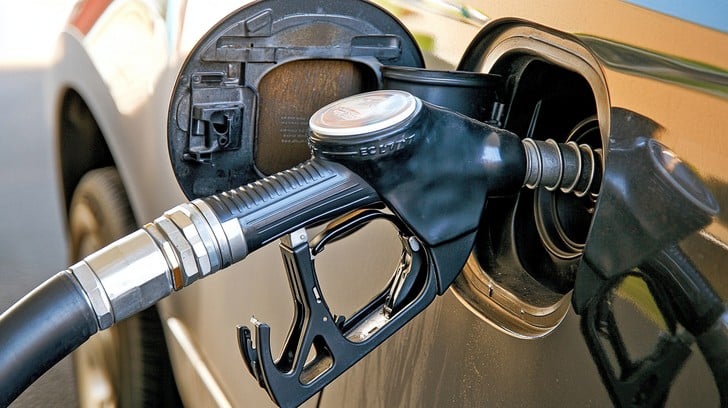
The government has extended its GH¢2 per litre reduction in the regulatory margin on diesel for another pricing window in September, aiming to cushion consumers from rising petroleum prices.
The intervention, which was initially introduced for two pricing windows beginning August 4, was scheduled to expire at the end of August.
Its extension means the full GH¢2 per litre regulatory margin will not immediately be restored to diesel prices, providing some relief to motorists, commercial transport operators and businesses that rely heavily on diesel.
The decision comes amid expectations that petroleum prices will increase at the pumps from the first pricing window of September.
Diesel is currently selling at around GH¢17 per litre at several Oil Marketing Companies (OMCs). Without the government’s intervention, industry players had warned that the price could have risen by a further GH¢2, potentially bringing it close to GH¢19 per litre.
The Chamber of Petroleum Consumers (COPEC) had therefore appealed to the government to maintain the intervention beyond August.
COPEC Executive Secretary, Duncan Amoah, said extending the measure would help soften the impact of the expected increase in fuel prices.
He explained that letting the GH¢2 margin reduction expire when diesel prices were already high could have put additional pressure on consumers and businesses.
“Already diesel is around GH¢17 a litre for most of the OMCs. Allowing the GH¢2 to come back would mean we will be doing GH¢19, approaching GH¢20 a litre,” he said.
Petrol prices also expected to rise
While the government’s latest intervention specifically targets diesel, petrol consumers are also expected to face higher prices in September.
COPEC had projected marginal increases in petroleum prices from Tuesday, September 1, citing movements on the international oil market.
According to Mr Amoah, petrol was particularly exposed to an upward adjustment after its international trading price increased by almost 10% over the preceding two weeks.
“Fuel prices are likely to inch up from the first window of September. Petrol most likely, since it’s done almost 10% to close trading over the past two-week window,” he said.
The expected increase in global oil prices could put additional pressure on the domestic fuel market, depending on other factors influencing pump prices.
Third government intervention
The extension of the diesel margin reduction represents the government’s third intervention aimed at limiting the impact of rising fuel prices on consumers.
The GH¢2 per litre reduction was introduced on August 4 after increases in international oil prices translated into higher petroleum prices on the Ghanaian market.
The measure was designed as a temporary intervention covering two pricing windows.
Its extension into September is expected to limit the immediate increase in diesel prices and reduce some of the pressure on sectors such as transportation, logistics and commercial operations.
Impact on transport and cost of living
Diesel prices have a significant effect beyond the fuel pumps because the commodity is widely used by commercial vehicles, heavy-duty trucks, logistics companies, generators and other businesses.
A sharp increase in diesel prices could therefore raise transportation and distribution costs, with potential knock-on effects on the prices of goods and services.
For motorists and transport operators, the extension provides temporary relief at a time when fuel prices are already elevated.
However, the measure does not eliminate the broader pressure from international oil prices. Consumers could still face higher fuel costs if global prices remain elevated and the underlying market conditions continue to push domestic pump prices upward.
The September extension is consequently expected to offer short-term relief while government and industry stakeholders continue to monitor developments on the international oil market.