



















Ghana has secured a $300 million financing package from the World Bank to support a major reform programme aimed at eliminating the double-track system associated with the Free SHS policy in Senior High Schools by 2027 and improving the quality of secondary education nationwide.
The funding will support the implementation of the Transformative Secondary Education for Access, Results and Relevance for Jobs (STARR-J) Project, a comprehensive initiative designed to address infrastructure deficits, expand access to education, and better prepare students for the demands of the modern labour market.
The Ministry of Education announced that the project will focus on increasing school capacity through targeted infrastructure investments while also enhancing teaching and learning conditions across the country’s secondary education system.
A key objective of the initiative is to provide a long-term solution to challenges associated with the Free (SHS) Senior High School policy, particularly overcrowding and limited classroom space, which led to the introduction of the double-track system.
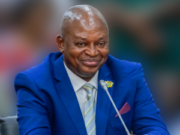
Education Minister Haruna Iddrisu described the World Bank-supported project as a strategic investment in Ghana’s human capital and future economic competitiveness.
According to him, the initiative goes beyond infrastructure development and seeks to improve learning outcomes while ensuring that free SHS education is aligned with the skills required in an evolving job market.
“This project is a major investment in Ghana’s growing youthful population and a strategic contribution to the country’s long-term human capital development and global competitiveness,” Mr Iddrisu stated.
He added that the programme will expand educational opportunities for students, improve school environments, and help address the infrastructure pressures that emerged following the expansion of access to secondary education under the Free SHS programme.
The Ministry noted that the STARR-J Project is expected to strengthen both the quality and relevance of secondary education by creating more conducive learning environments and improving the efficiency of educational delivery.
Officials believe the project will play a crucial role in ensuring equitable access to quality education while equipping students with the knowledge and practical skills needed to compete in an increasingly globalised economy.
The Ministry also expressed gratitude to the World Bank, the Ministry of Finance, and other development partners and stakeholders whose support contributed to the approval of the funding package.
The STARR-J Project forms part of broader government efforts to modernise Ghana’s education system, improve outcomes for students, and ensure that investments in education translate into long-term national development.
By: Janice Opoku-Agyemang