






















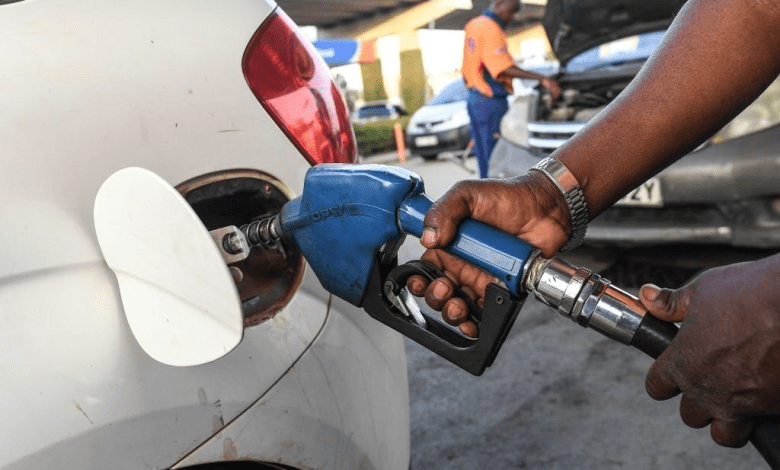
Ghanaian motorists and households are likely to pay more for petroleum products from Tuesday, September 1, 2026, with the Chamber of Petroleum Consumers Ghana (COPEC) forecasting increases in the prices of petrol, diesel and liquefied petroleum gas (LPG).
COPEC’s latest assessment points to marginal upward adjustments at the pumps despite a stronger Ghana cedi and a slight decline in international crude oil prices during the current pricing window.
The development could increase transportation and operating costs for motorists, commercial drivers and businesses as the country enters a new pricing window.
According to COPEC’s projections, the mean retail price of petrol could increase to approximately GH¢16.21 per litre, up from the current average of GH¢15.43 per litre.
That represents an estimated 5% increase.
If oil marketing companies adjust their prices in line with the prevailing market conditions, motorists could therefore begin seeing higher petrol prices at filling stations from September 1.
Diesel prices are similarly projected to rise, although at a slower rate than petrol.
COPEC estimates that diesel could sell at approximately GH¢17.61 per litre during the next pricing window, compared with the current mean pump price of GH¢17.17 per litre.
The projected increase amounts to approximately 2.58%.
The expected adjustment comes as the government continues to maintain measures aimed at cushioning consumers against rising fuel costs, including the temporary reduction in the regulatory margin on diesel.
Consumers who rely on LPG are also expected to face a marginal increase.
COPEC projects that LPG could be priced at approximately GH¢14.19 per kilogramme during the new pricing window.
The potential increase could affect households that use LPG for cooking, as well as businesses that depend on the fuel for their operations.
Why are fuel prices rising?
COPEC’s projections come despite some developments that would ordinarily ease pressure on domestic fuel prices.
International crude oil prices recorded a marginal decline during the current pricing window, falling from $90.41 to $89.30 per barrel.
At the same time, the Ghana cedi appreciated against the US dollar. COPEC’s analysis shows that the average interbank exchange rate improved from GH¢11.800 to the US dollar at the beginning of the window to GH¢11.5166 at its close.
This represents an appreciation of approximately 2.39%.
However, the decline in crude oil prices and the stronger cedi have not been sufficient to offset movements in the international prices of refined petroleum products.
COPEC explained that changes in the Free-On-Board (FOB) prices of refined petroleum products are expected to put upward pressure on local pump prices.
This means that domestic fuel prices are influenced not only by the international price of crude oil but also by the prices of finished petroleum products traded on the global market.
What consumers should expect
If the projections materialise, consumers will enter September with higher prices for all three major petroleum products covered by the assessment.
| Product | Current Mean Price | Projected Price | Estimated Increase |
|---|---|---|---|
| Petrol | GH¢15.43/litre | GH¢16.21/litre | 5% |
| Diesel | GH¢17.17/litre | GH¢17.61/litre | 2.58% |
| LPG | — | GH¢14.19/kg | Marginal increase |
The actual prices paid by consumers may vary from one Oil Marketing Company (OMC) to another, depending on individual pricing decisions and other market factors.
The expected September adjustment also means transportation operators and businesses could face additional fuel-related costs, which may have wider implications for the prices of goods and services if the upward trend persists.