

























The Chamber of Petroleum Consumers (COPEC) has renewed calls for the National Petroleum Authority (NPA) to review Ghana’s fuel price floor mechanism, arguing that the policy limits consumers’ ability to benefit from declines in global petroleum prices.
COPEC Executive Secretary Duncan Amoah says the current arrangement creates an imbalance in the deregulated downstream petroleum market by allowing fuel prices to rise when international market conditions worsen, while restricting how far prices can fall when global prices decline.
Speaking in an interview today, Mr Amoah described the pricing floor as a mechanism that does not serve the interests of consumers.
“That pricing floor mechanism is not helping the Ghanaian in any way,” he said.
Ghana’s downstream petroleum sector operates under a deregulated pricing system, meaning fuel prices are expected to reflect movements in international petroleum prices as well as changes in the exchange rate.
Mr Amoah explained that, under a fully deregulated market, competition between oil marketing companies and the forces of demand and supply should play a major role in determining pump prices.
“What that means is that when you deregulate a market, the forces of demand and supply would determine prices,” he said.
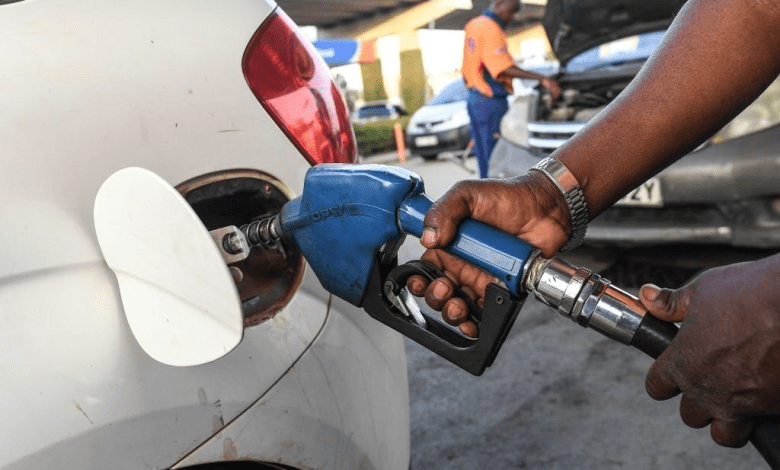
He cited recent price movements at the pumps as an indication of how international market developments can affect consumers. According to him, diesel prices have increased by approximately 68 to 70 pesewas per litre during the current pricing window, while petrol prices have risen by about 30 pesewas per litre.
“For diesel, we have recorded almost 68 to 70 pesewas additional. Petrol has also seen about 30 pesewas from the GH¢13.70-something that it used to be to above GH¢14 now,” he said.
While acknowledging that price increases are a normal feature of a deregulated market when global oil prices rise, Mr Amoah questioned why the same flexibility should not apply when international prices fall.
He argued that the price floor could restrict competition by preventing oil marketing companies from reducing their prices below a predetermined threshold, even when market conditions would otherwise support lower pump prices.
“The markets can go up within the window. They can go up by as much as one Cedi or two cedis if the world market prices dictate so,” he said.
“But if it were the inverse where it has to go down, you have published a floor that says it is the barest minimum below which nobody should sell.”
COPEC believes that reviewing or removing the pricing floor would give oil marketing companies greater room to compete on price and allow consumers to benefit more quickly when international petroleum prices decline.
The consumer advocacy group has previously called for reforms to Ghana’s fuel pricing framework, arguing that although deregulation reduces the government’s exposure to fuel subsidies, the regulatory structure should ensure that consumers receive the full benefits of favourable movements in global oil prices.
The latest call therefore puts renewed pressure on the NPA to reconsider the operation of the fuel price floor and assess whether the mechanism remains consistent with the objectives of a deregulated petroleum market.
For COPEC, a more flexible pricing framework could strengthen competition among oil marketing companies while ensuring that reductions in international fuel costs are reflected more promptly at the pump.








 to review Ghana’s fuel price floor mechanism)