





















The global conversation on reparations has gained renewed momentum after the United Nations officially declared the transatlantic slave trade the gravest crime against humanity.
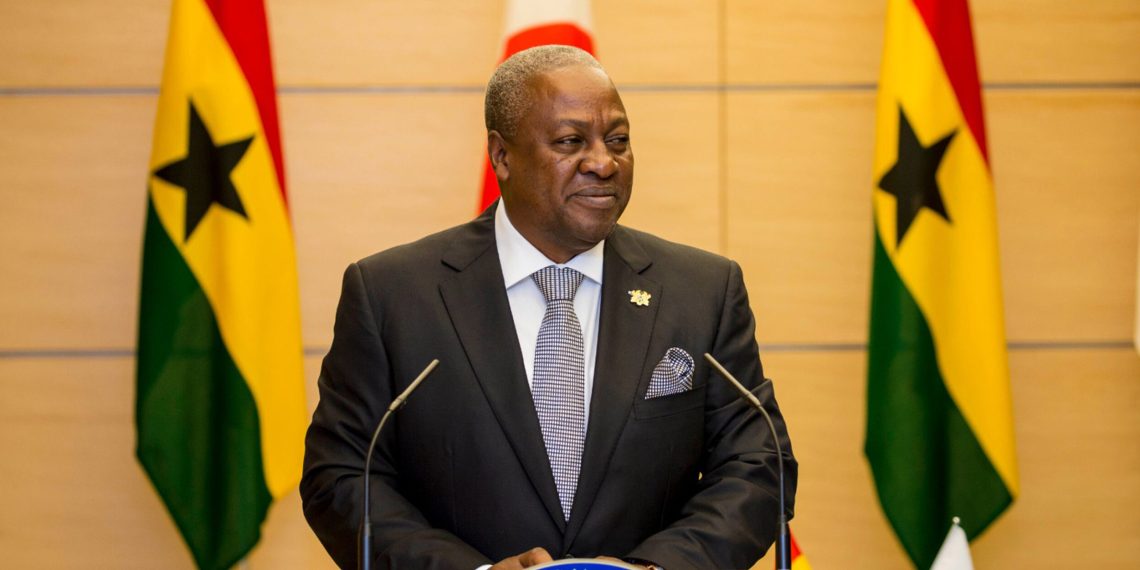
The landmark resolution, introduced by Ghana and championed by President John Dramani Mahama, marks a significant shift in how the international community formally recognizes one of history’s darkest chapters. For centuries, the transatlantic slave trade—despite its scale and brutality—had not been officially classified at this level within the UN system.
The resolution acknowledges the forced displacement of more than 12 million Africans who were taken from their homes, separated from their families, and transported across the Atlantic under inhumane conditions. It also highlights the lasting social and economic consequences that continue to shape global inequalities today, strengthening calls for reparations.
Speaking on the development, UN Secretary-General António Guterres described the transatlantic slave trade as “a deep betrayal of human dignity,” reiterating the need for honest global reflection and dialogue.
The resolution received overwhelming support, with 123 countries voting in favor. However, three countries, including the United States, voted against it, while 52 nations—including the United Kingdom and members of the European Union—abstained.
Central to the resolution is a call for a structured global conversation on reparations, including formal apologies and concrete steps to address historical injustices. Rather than direct financial payments to governments, proponents of the resolution are advocating for the establishment of a global fund aimed at addressing the long-term effects of slavery.
The proposed approach to reparations focuses on investments in education, economic empowerment, and development initiatives designed to bridge longstanding disparities created by the transatlantic slave trade. Advocates argue that reparations should be seen not merely as compensation but as a means of correcting systemic imbalances that persist across generations.
Despite this, the United States has argued that designating the transatlantic slave trade as the “gravest” crime against humanity risks creating a hierarchy of suffering among historical atrocities. Other countries that abstained from the vote have also raised concerns about implementation, particularly regarding who should benefit from reparations.
Ghana’s role in leading the resolution carries historical significance, given that the country—formerly the Gold Coast—hosts more than 30 slave forts and castles along its coastline, serving as enduring reminders of the transatlantic slave trade.
As global attention shifts toward implementation, the conversation on reparations is expected to evolve, moving beyond recognition to questions of accountability, justice, and healing.