







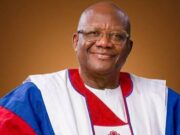










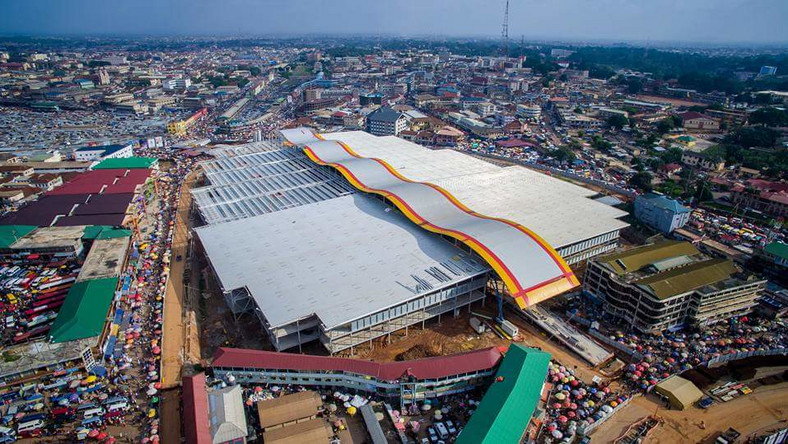
The Minister for Local Government, Chieftaincy and Religious Affairs, Ahmed Ibrahim, has revealed that the cost of the stalled Kumasi Kejetia market phase 2 project has increased from the original Ghc248 million approved in 2018 to Ghc305 million due to delays, suspension costs, and contractor demobilization.
Speaking at a press briefing, the minister said the government was compelled to address growing public concerns following recent demonstrations over delays in completing the Kumasi Kejetia Market Phase 2 and the Takoradi Central Market projects.
According to him, the government decided to publicly explain the circumstances surrounding the stalled projects to ensure Ghanaians understood the real causes behind the delays.
“Last week, there was a demonstration against the government on the delay in the completion of Kumasi kejetia market phase two and the Takoradi central markets. As a ministry responsible, we need to let Ghanaians know what actually has happened,” he stated.
Ahmed Ibrahim explained that officials from the ministry, including the Chief Director, policy planning team, general administration director, consultants for the Kejetia project, and the Kumasi mayor, have been holding extensive meetings aimed at finding solutions to complete the projects.
He described the Kumasi Kejetia and Takoradi Central Market projects as critical national infrastructure investments intended to improve urban commerce, support traders, and boost local economic growth.
“These two market projects are not merely infrastructure initiatives. They are strategic investments in transforming urban commerce, improving livelihoods, and promoting inclusive economic growth,” he said.
The minister noted that both markets serve as major commercial hubs that support thousands of traders, transport operators, artisans, and small-scale businesses.
However, he blamed the delays on the non-payment of Interim Payment Certificates (IPCs) by the previous administration and the subsequent demobilization of contractors in 2024.
According to him, Ghana’s debt restructuring programme under the previous government also contributed to the situation, leading to the accumulation of suspension costs claimed by contractors.
He said the stalled projects have resulted in congestion, unsafe trading conditions, loss of income for traders, underutilization of public investments, and slower economic activity in key urban centres.
Providing details on the Kumasi Kejetia project, Ahmed Ibrahim said Phase 1 of the market was completed under the first tenure of President John Dramani Mahama at a contract cost of Ghc197 million.
“We gave the contract of 197 and we completed the contract with the 197. What we signed was 259 because there were other costs, so 259 was signed and we completed with that amount,” he explained.
He added following that the Phase 2 contract was originally awarded at Ghc248 million in 2018 during the previous administration. However, prolonged delays and contractor-related costs caused the amount to increase significantly.
“By the time they (NPP) left office, because of delay, demobilization, suspension costs, the contract cost has now ballooned up to 305 million euros,” he disclosed.
The minister said government is currently engaging consultants to determine the best way to complete the Kumasi Kejetia Market Phase 2 project while addressing the additional financial burden.