




















Motorists, transport operators and households could begin July with lower fuel prices are projected to decline significantly in the first pricing window of the month.
The Chamber of Petroleum Consumers (COPEC) says the anticipated reductions are being driven by two key factors: a sharp fall in global crude oil prices and the continued appreciation of the Ghana cedi against the US dollar.
According to the chamber, international crude oil prices declined by 19.69% during the current pricing window, falling from US$97.32 per barrel to US$78.16 per barrel. Over the same period, the cedi strengthened by 3.14% against the dollar, reducing the cost of importing finished petroleum products.
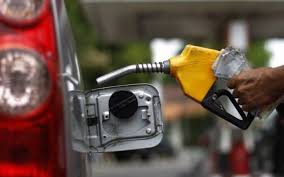
Based on these market conditions, COPEC projects that the average retail price of petrol will fall to GH¢13.36 per litre from the current average of GH¢14.24, representing a 6.21% reduction.
The chamber expects oil marketing companies to sell petrol at prices ranging from GH¢12.69 to GH¢14.03 per litre during the first pricing window of July, depending on their individual pricing strategies.
Diesel is expected to record the biggest reduction after its international Free-on-Board (FOB) price fell by 15.18%. COPEC estimates that the average pump price could decline from GH¢16.26 to GH¢14.10 per litre, representing a 13.28% decrease. Retail prices are expected to range between GH¢13.39 and GH¢14.80 per litre.
Liquefied petroleum gas (LPG) is also projected to become more affordable following a 15.96% decline in its international FOB price. COPEC forecasts that LPG will sell between GH¢9.54 and GH¢10.55 per kilogram during the pricing window.
The consumer advocacy group is urging oil marketing companies to reflect these favourable market conditions in their pump prices without delay, arguing that lower fuel costs would ease financial pressure on households, businesses and the transport sector.
COPEC also welcomed the government’s decision to allocate part of its share of crude oil from the Jubilee Field to local refineries. It believes the policy could reduce Ghana’s dependence on imported refined petroleum products, strengthen the cedi over time and contribute to greater price stability in the downstream petroleum sector.
Meanwhile, the National Petroleum Authority (NPA) has revised its price floors for the first pricing window of July. The regulator has set minimum selling prices of GH¢12.79 per litre for petrol, GH¢13.54 per litre for diesel and GH¢10.11 per kilogram for LPG.
The price floors are the minimum prices at which oil and LPG marketing companies are permitted to sell petroleum products during the pricing window. However, individual retailers may charge higher prices depending on their pricing models.
By: Janice Opoku-Agyemang