





















The Minority in Parliament has expressed support for the government’s diplomatic response to the treatment of Ghanaians in South Africa, including its decision to seek intervention from the African Union (AU), while urging that Ghana’s foreign policy decisions remain anchored in credible and verifiable evidence.
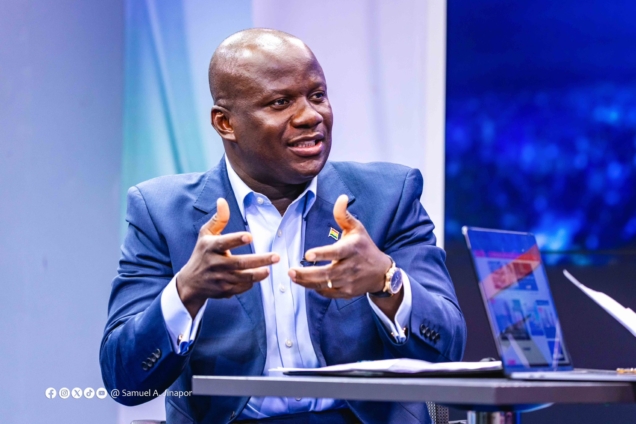
Speaking on Tuesday, July 7, Ranking Member of Parliament’s Foreign Affairs Committee and Member of Parliament for Damongo, Samuel Abdulai Jinapor, said protecting Ghanaian citizens abroad should remain a top national priority regardless of political differences.
According to him, Ghana’s engagement with other countries must always be guided by the country’s national interest.
“All our foreign relations, all our foreign posturing, and the conduct of our foreign policy should promote the national interest of our country,” he said.
Mr Jinapor noted that the Minority fully supports every lawful measure being pursued by the government to ensure the safety and welfare of Ghanaians living in South Africa.
He said the opposition has consistently backed the Ministry of Foreign Affairs and the government whenever issues affecting the security of Ghanaian nationals overseas arise.
“We support the Minister and the Ministry of Foreign Affairs, the President and the Government of Ghana to take up matters relating to our compatriots in South Africa, particularly as it relates to the protection of Ghanaian citizens anywhere in the world.”
The Damongo MP also endorsed the government’s decision to elevate the issue to the African Union, including its appeal for the continental body to consider sanctions against South Africa if necessary.
He further supported Ghana’s call for the South African government to intensify efforts to address reported xenophobic attacks and strengthen measures to protect foreign nationals residing in the country.
However, Mr Jinapor cautioned that while Ghana must respond firmly to threats against its citizens, its diplomatic position should be supported by facts to preserve the country’s credibility on the international stage.
“Whatever stance we take, whatever measures we take, are those that are supported by unimpeachable facts on the ground.”
He stressed that decisions taken without sufficient evidence could undermine Ghana’s standing in international diplomacy and weaken its ability to advocate effectively for its citizens.
His comments come amid heightened diplomatic tensions between Ghana and South Africa following the death of a Ghanaian national and allegations of renewed xenophobic attacks against foreign nationals.
As discussions continue, Mr Jinapor’s remarks signal a rare bipartisan consensus on the need to protect Ghanaians abroad, while underscoring the importance of ensuring that Ghana’s diplomatic engagements are guided by both national interest and factual accuracy.