























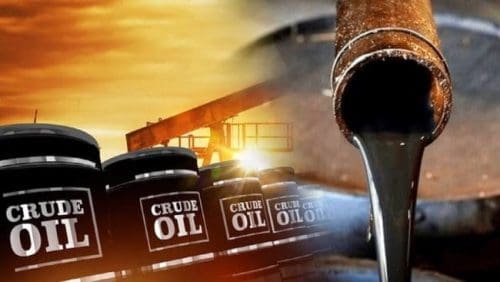
Global crude oil prices have surged past the $100 mark once again, driven by escalating geopolitical tensions surrounding the Strait of Hormuz—a critical artery for global energy supply.
The latest spike follows renewed friction linked to U.S. President Donald Trump and reports of a naval blockade targeting vessels passing through the strait. The situation worsened after high-level negotiations in Islamabad failed to yield a lasting agreement.
Earlier, markets had shown signs of stabilisation, with prices easing to just above $90 per barrel after the United States and Iran reached a conditional two-week ceasefire. However, the collapse of those talks has quickly reversed the downward trend, pushing oil prices sharply higher.
As of early Monday trading, data monitored by Citi Business News via Bloomberg indicated that West Texas Intermediate (WTI) crude was selling at $103.70 per barrel, while Brent crude stood at $101.70 per barrel.
The development highlights how sensitive global oil markets remain to instability in the Middle East—particularly disruptions along the Strait of Hormuz, through which a substantial portion of the world’s crude oil is transported daily.
Implications for Ghana
For Ghana and other economies heavily reliant on fuel imports, the price surge presents significant economic risks. Rising crude prices typically translate into higher domestic fuel costs, which can ripple through transportation, production, and general consumer prices.
Fuel prices in Ghana have already been trending upward since the onset of the tensions, prompting government intervention. Authorities have directed the Ministries of Finance and Energy to introduce temporary relief measures in the upcoming pricing window starting April 16.
These measures include a short-term suspension of selected taxes and margins, aimed at cushioning households and businesses from escalating fuel costs. The intervention is expected to last for an initial four-week period.
However, analysts warn that the effectiveness of these measures may be limited if global crude prices remain elevated or continue to climb in the coming weeks. Sustained high prices could erode the intended relief and place renewed pressure on the broader economy.
By: Janice Opoku-Agyemang