



















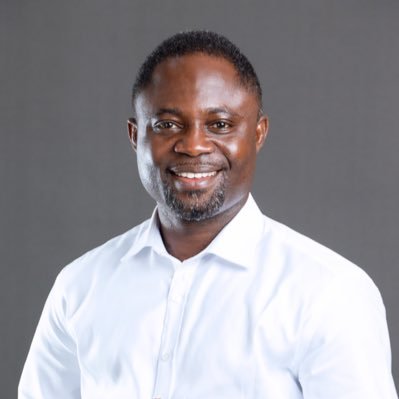
Ghana is preparing to introduce its free healthcare policy on Wednesday, April 15, with President John Dramani Mahama expected to attend the launch. The policy has been talked about for months, but ahead of its rollout, the government is now putting the problem it hopes to solve into sharper focus.
Addressing the press at the government accountability series, which was held today, April 13, 2026. Health Minister Kwabena Mintah Akandoh said people feel unwell but hold back from going to the hospital. According to him, they wait, manage symptoms at home, and only seek care when things get worse. That pattern, he suggested, is exactly what the free healthcare policy is designed to change.
“Ultimately, ladies and gentlemen, this is not just about policy. It’s about ensuring that Ghanaians do not wait until they are seriously ill before seeking health care.”
Ghana, like many countries, is working toward universal health coverage. People should be able to access care when they need it, without worrying about cost. Currently, coverage currently sits at about 56%, with a target of 80% by 2030. With programs such as the CHIPS Compounds initiative and the National Health Insurance Scheme, access has improved, but they have not removed all the barriers.
One of those barriers is cost at the point of care. Out-of-pocket payments still account for roughly one-third of total health spending. In practical terms, that means many families still have to find money before they can receive treatment.
The result is care being delayed, conditions worsening, and treatment becoming more complicated than it needs to be. The free healthcare policy steps into that space, aiming to remove that first obstacle and make early care the easier choice.
Ghana’s disease profile is changing with non-communicable diseases rising steadily in the background. Hypertension, diabetes, cancers, stroke, and mental health conditions are becoming more common. A 2021 study shows that only 35% of people with hypertension in Ghana were aware of their condition. That means the majority are living with risk without any clear warning.
The minister emphasized that the free healthcare policy is about changing behavior and, over time, changing outcomes.