














The issue of sole sourcing in Ghana has returned to the spotlight, following fresh claims and counterclaims over how government contracts are being awarded under the Big Push initiative.
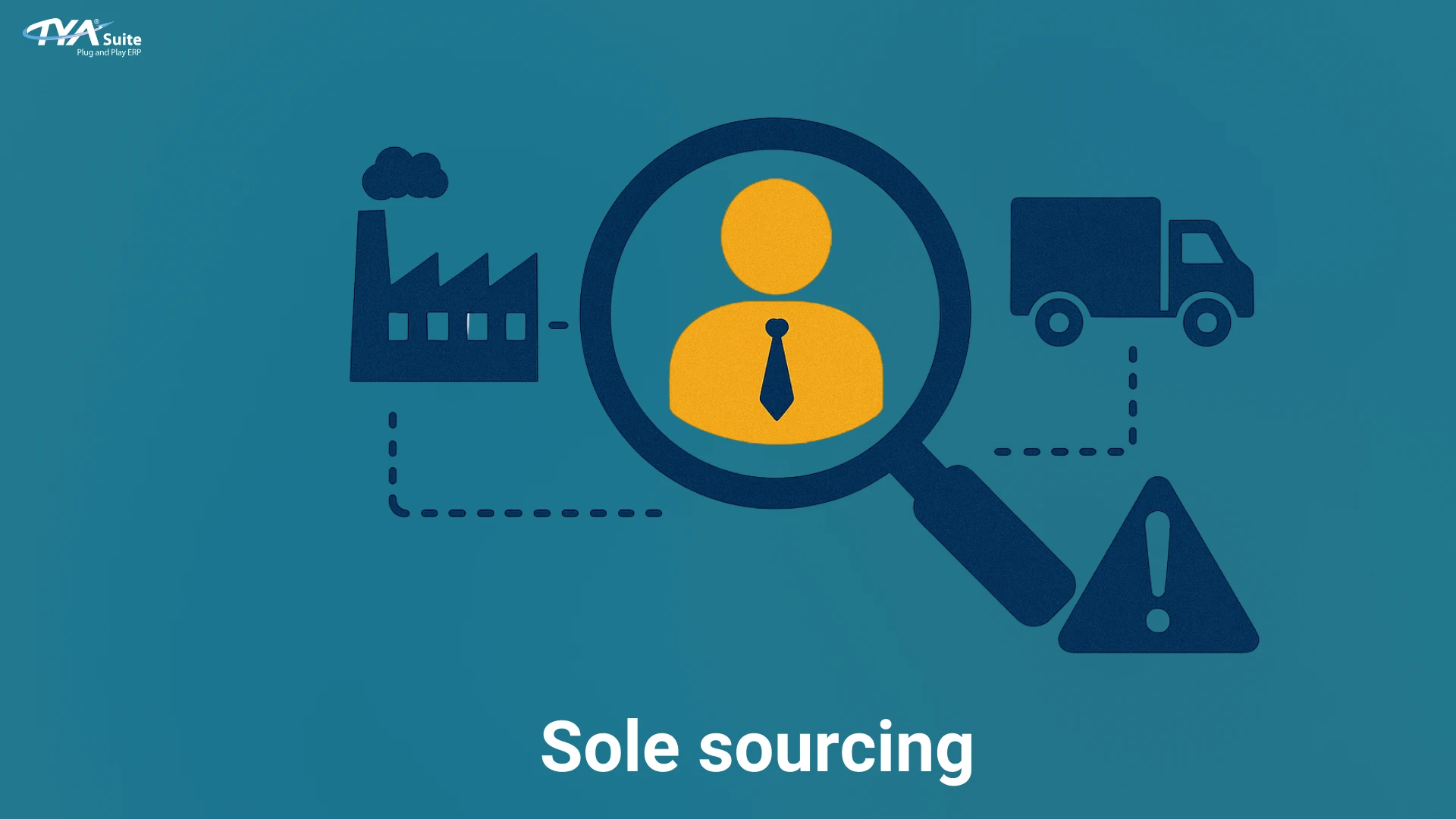
Sole sourcing, also known as single-source procurement, is a non-competitive method where a public entity directly awards a contract to one supplier without an open bidding process. Under Ghana’s procurement laws, this method is expected to be used sparingly and only under strict conditions.
Governed by the Public Procurement Act, 2003 (Act 663) and its amendment, Act 914 of 2016, sole sourcing is permitted only in exceptional cases. These include situations where a specific supplier has exclusive rights to a service or product, or during emergencies where time constraints make competitive bidding impractical.
Despite these restrictions, sole sourcing has remained a politically sensitive issue, often used as a tool for criticism between Ghana’s two major political parties — the New Patriotic Party (NPP) and the National Democratic Congress (NDC).
Before assuming office, leading members of the NDC, including Sammy Gyamfi and Samuel Okudjeto Ablakwa, strongly criticised the NPP government over its use of sole sourcing. The party accused the previous administration of exploiting the procurement method to inflate costs and bypass transparency.
However, the debate predates the NDC’s recent criticisms. While in opposition, Vice President Dr. Mahamudu Bawumia had also accused the NDC of engaging in inflated sole-sourced contracts. Similarly, former President Nana Addo Dankwa Akufo-Addo pledged to end the practice ahead of the 2016 elections.
Following the NPP’s rise to power, allegations of sole sourcing persisted. One notable case involved cocoa road projects, where reports suggested that contracts worth millions of cedis were awarded through sole sourcing, including a controversial deal allegedly linked to a relative of Dr. Bawumia. Critics also claimed that a significant portion of contracts during that period did not go through competitive procurement processes.
The NDC, while in opposition, promised reforms. In its 2020 People’s Manifesto and later in the 2024 Reset Ghana Manifesto, the party pledged to amend procurement laws and eliminate sole-sourcing. Samuel Okudjeto Ablakwa was among those who publicly advocated for its cancellation.
Now in power, the NDC government is facing similar scrutiny.
Investigative outlet Fourth Estate Ghana has reported that 81 out of 107 contracts awarded under the government’s Big Push initiative between January 2025 and February 2026 were done through sole sourcing. According to the report, the contracts are valued at approximately 73 billion dollars. The remaining 26 contracts were reportedly awarded through selective tendering, another restricted procurement method.
The Fourth Estate indicated that the findings were based on data obtained through a Right to Information request submitted to the Ministry of Roads and Highways.
However, the Minister for Roads and Highways, Kwame Governs Agbodza, has rejected the claims. Speaking in Parliament, he described the report as “pure fabrication and false,” insisting that the government has awarded over 400 contracts through competitive bidding processes.
Amid the growing controversy, President John Dramani Mahama has stepped in, directing the Roads and Highways Minister to respond to the concerns raised about sole-sourced contracts under the Big Push program. The directive, issued on March 30, signals the government’s attempt to address public scrutiny and restore confidence in its procurement processes.
While the law provides clear guidelines on when sole sourcing can be used, its application continues to raise questions across successive administrations.
Is it just politics?