

























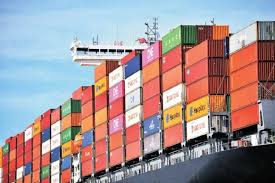
The Importers and Exporters Association of Ghana (IEAG) has thrown its support behind a new directive by the Ghana Shippers’ Authority (GSA) to regulate and cap Container Administrative Charges at the country’s seaports.
In a statement issued on April 21, the association described the regulator’s intervention as a timely move to address long-standing complaints over what it called excessive and non-transparent charges imposed by international shipping lines and their local representatives.
According to the Importers and Exporters Association of Ghana, the fees—commonly known as local handling charges—have for years increased the cost of doing business for importers and exporters while undermining Ghana’s competitiveness as a regional trade and logistics hub.
The association also rejected concerns raised by some workers within the shipping sector who have opposed the new policy, insisting that resistance should not obstruct reforms intended to protect businesses and the wider economy.
Concerns Over Double-Charging
The Importers and Exporters Association of Ghana explained that under standard global shipping practice, ocean freight charges are the main source of income for shipping companies, covering operational costs such as vessel maintenance, fuel, and capital investment.
Shipping lines also generate additional revenue through demurrage and detention fees when containers remain at ports beyond the agreed period.
The association argued that many legitimate port-related expenses—including pilotage, towage, berth fees, port dues, and terminal handling charges—are already factored into freight rates paid by shippers.
As a result, the separate Container Administrative Charge at destination amounts to duplicate cost recovery, placing an unnecessary financial burden on traders.
Billions Paid in Charges
The IEAG revealed that Ghanaian importers and exporters paid an estimated GH₵1.69 billion in Container Administrative Charges in 2024 alone.
It said these additional costs have contributed to higher import prices, increased business operating costs, rising consumer inflation, and Reduced trade competitiveness
The association noted that the charge was originally introduced in the late 1980s when port infrastructure was limited, and ships depended on onboard equipment for cargo handling.
However, it said major improvements at Ghana’s ports over the years have made the charge largely outdated.
New Cap Takes Effect May 1
Under the new directive, the Ghana Shippers’ Authority will cap the Container Administrative Charge at GH₵550 per Twenty-Foot Equivalent Unit (TEU) beginning May 1, 2026.
The IEAG described the move as a balanced policy aimed at improving fairness, transparency, cost efficiency, and trade competitiveness
The group believes the reform will provide relief for businesses while strengthening confidence in Ghana’s shipping and logistics sector
By: Janice Opoku-Agyemang


 is set to regulate and cap Container Administrative Charges at the country’s seaports)