

















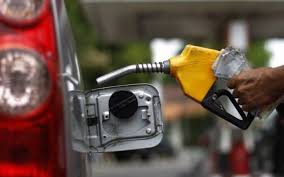
The government has announced a series of measures to reduce the prices of fuel following an emergency cabinet meeting held on April 9, 2026, to address the impact of rising global crude oil prices. The decision to reduce the prices of fuel comes in response to escalating geopolitical tensions involving the United States, Israel, and Iran, which have disrupted global oil supply chains and driven up fuel costs worldwide.
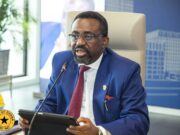
Addressing the media after the meeting, Felix Kwakye Ofosu, the Minister of State for Government Communications and Spokesperson to the President, explained that the cabinet convened to assess the effect of the conflict on Ghana’s economy and to identify immediate interventions to cushion citizens from rising living costs.
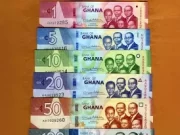
Cabinet acknowledged that recent economic gains, including the appreciation and stability of the Ghana cedi and a drop in inflation to about 3.2 percent, have helped moderate the impact of global fuel price shocks. He said that despite current pressures, fuel prices remain significantly lower compared to levels recorded during the 2022 Ukraine conflict.
However, the government admitted that fuel prices have increased in the last two pricing windows due to the ongoing conflict, which could trigger a rise in transport fares and the general cost of goods and services.
To address this, the cabinet directed the ministers of finance and energy to take immediate steps to reduce the prices of fuel by suspending some taxes and margins on petroleum products. The directive will take effect in the next pricing window, expected within a week.
The government stated that the intervention to reduce the prices of fuel will remain in place for an initial period of four weeks. Authorities will review the policy after this period, taking into account developments in the Middle East and global crude oil price trends.
As part of broader relief measures, the cabinet also tasked the Minister for Transport to fast-track the deployment of 100 newly acquired Metro Mass Transit buses. The buses will operate on high-traffic routes to ease commuting pressures.
The government further directed that Metro Mass Transit services maintain fares lower than those charged by private operators to ensure affordability, particularly during peak hours. In addition, the president reiterated a strict directive for all ministers and senior government appointees to comply with the ban on fuel allocations and allowances as part of ongoing cost-cutting measures.