




















Dr Hanson Mensah-Akutteh, Regional Chief Manager, Ashanti Production Ghana Water Ltd., has warned that encroachment and forest degradation around the Barekese, which have significantly reduced the storage capacity of the dam, can cause a serious shortage of water in Kumasi in the next two to three years if there is any climate change.
Speaking to the media on Thursday, April 04, 2026, Dr Hanson explained the various water treatment processes that happen at the Barekese dam.
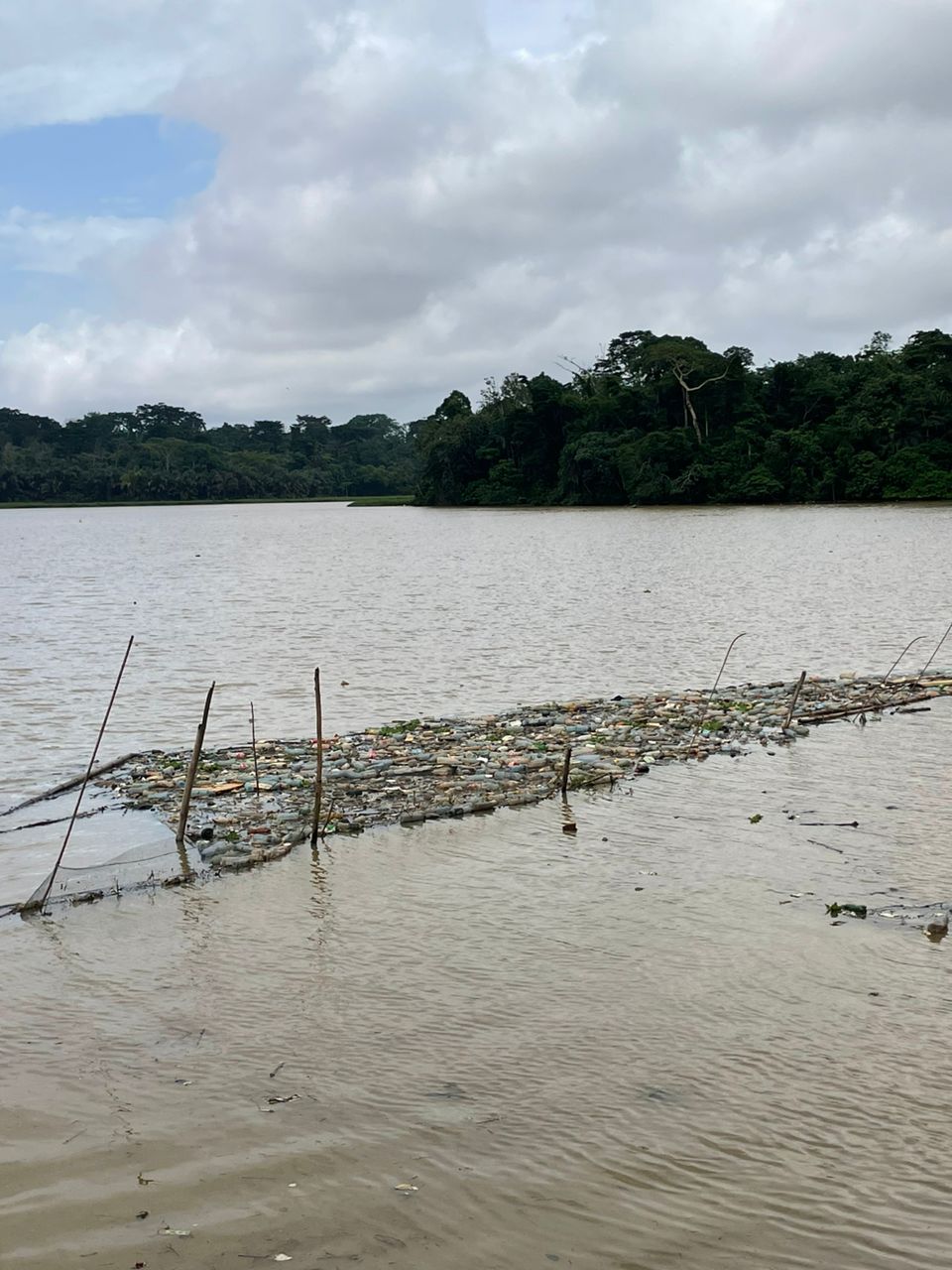
He, however, warned that the encroachment around the dam and pollution have elevated the siltation level of the dam
“The Barekese dam is seriously encroached, people have actually degraded the forest, they have developed lands around the catchment area, the whole system is being weeded out into the river course, and the river base is highly silted”, he stressed.
He added that the Barekese dam is currently 40% silted, and the water available is not enough.
“If there is any climate variability change, we are going to be in crisis so there is a need for us to dredge the Barekese as immediate as possible to increase the storage capacity of our plant, if not, in the next two to three years if there is a serious climate change of dryness or drought it’s possible the whole Kumasi will be out of water”, Dr. Hanson emphasized.
The Regional Chief Manager further revealed that the Owabi dam was also affected by siltation, explaining that the dam was 75% silted
“Owabi is also affected by siltation. Owabi is almost about 75% silted, and that is even more dangerous because the volume that is now left on the surface of the reservoir is just small and cannot take us even through a year if there is a serious climate variability”, he added.
Dr Hanson urged the management of the GWL to address the issue to increase the storage capacity of the dams. This comes as the managing director of Ghana Water Ltd, Hon. Adam Mutawakilu inspects various facilities across Ghana. Hon. Adam Mutawakilu toured the Barekese and Owabi dams in the Ashanti Region to inspect the facilities and operations.
By: Janice Opoku-Agyemang