























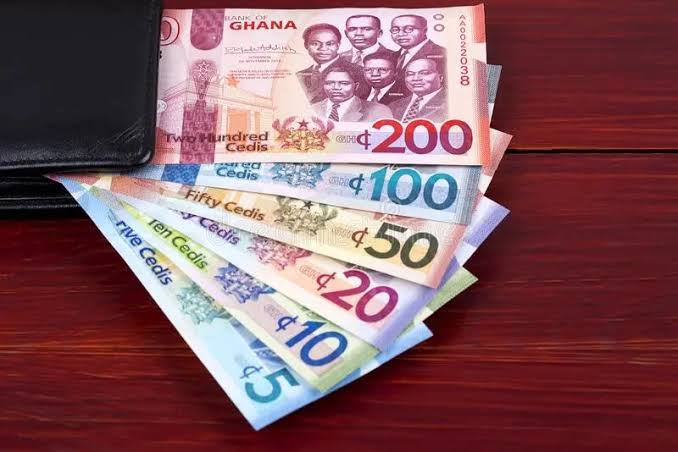
The Governor of the Bank of Ghana, Dr Johnson Asiama, has called on traders and businesses to adopt better cash-handling practices, saying cleaner markets and proper handling of banknotes will help preserve the quality of Ghana’s currency while reducing the cost of replacing damaged notes.
Speaking during the National Clean-Up Exercise on Friday, July 10, 2026, Dr Asiama said the Central Bank’s participation in the nationwide sanitation campaign reflects its broader commitment to protecting the integrity of the cedi and promoting healthier market environments.
According to him, physical cash remains the primary mode of payment in many markets across the country, making it important for traders to handle banknotes carefully and maintain clean trading environments.
“We are looking at this from another perspective, which is the condition of the banknotes, particularly the cedi notes used in our markets. We want those notes to remain clean because research has shown that banknotes can harbour bacteria. As people exchange cash, those bacteria can be transmitted from one person to another,” he said.
Dr Asiama explained that poor sanitation in marketplaces not only affects public health but also contributes to the rapid deterioration of banknotes. He noted that exposing currency to dirt, moisture, and other contaminants shortens its lifespan, increasing the cost of printing replacement notes.
He said the Bank of Ghana is working closely with market authorities to improve sanitation standards and encourage regular waste collection and cleaning in commercial centres.
“And for us at the Central Bank, just as I was saying when we went to Agbogbloshie, we want the market environment, especially, to be clean. We have spoken with officials, we work with them to make sure that the refuse and those other buildups are cleaned constantly,” he said.
The Governor urged traders to avoid practices that damage banknotes, including storing cash in unsanitary conditions or exposing it to water, dust and excessive handling. He encouraged market operators to make cleanliness an integral part of their daily business activities, noting that good sanitation supports both public health and effective currency management.
Dr Asiama reaffirmed the Central Bank’s commitment to supporting initiatives that promote cleaner commercial environments and responsible cash-handling practices, describing them as essential to preserving the quality and longevity of Ghana’s currency.
The Bank of Ghana has consistently encouraged the public to handle banknotes with care, arguing that extending the lifespan of currency helps reduce replacement costs while ensuring that clean, durable notes remain in circulation for everyday transactions.