






















The Ghana AIDS Commission has explained the recent HIV statistics revealed by the Minister for the Interior, Mohammed Muntaka Mubarak, stating that the numbers correlate with the latest report the commission has.
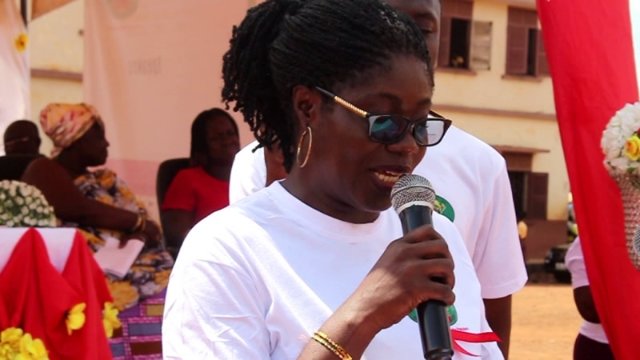
Speaking on the Orange Sunrise on July 7, 2026, the Ashanti Regional Technical Coordinator for the Ghana AIDS Commission, Madam Olivia Graham, explained that the reported figure represents about 1.3% of those screened, which is broadly consistent with Ghana’s estimated national HIV prevalence of 1.49% among adults at the end of 2024.
This comes after a recent revelation by the Minister for the Interior that a total of 1300 people who applied to be recruited into the security agencies this year tested positive for HIV.
Madam Olivia Graham also reiterated that there was a need to psychologically prepare people before disclosing their status to them and proceeding to put them on medication.
“Usually, when someone tests positive, they are taken through counselling; we have counsellors at the various testing sites, so they are educated before the news is broken to them. We even go ahead to have people who have tested positive and are working with the same facility talk to them before they are put on medication”, Madam said.
She advised that to control the rate of infections, it remained necessary to ensure that untested people have protected sex.
“We advise that if you do know the status of the person you are having sex with, you have to use protection, you have to protect yourself with a condom”, she stressed.
Madam Graham further revealed that people who are diagnosed are sometimes uncooperative, while others are in denial.
“The newly diagnosed people are put on drugs for 2weeks to a month, so that they can come back for more tests to see how they are responding to the drugs. But some are in denial and may not come back for the drugs, but there are people at the facilities who do follow-ups; others also simply refuse to take the drugs and may end up going to prayer camps and herbal centres to look for a cure which is not there”, she revealed.
The Ashanti Regional Technical Coordinator for the Ghana AIDS Commission called for continuous education against the stigmatisation of people living with HIV/AIDS, adding that living with HIV/AIDS is now like living with any other chronic disease. She stressed that HIV/AIDS is treatable.