






















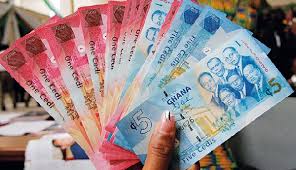
The Ghana cedi has recorded one of its strongest performances in recent months, reversing a significant portion of its earlier losses and raising expectations of further appreciation in the near term.
According to Databank Research, the cedi strengthened considerably over the past two weeks, reducing its year-to-date depreciation from nearly 11 per cent to approximately 6 per cent. The turnaround has been largely attributed to increased foreign exchange liquidity supplied by the Bank of Ghana, which has helped stabilise the market and curb speculative demand for foreign currencies.
In the interbank market, the cedi appreciated by 5.66 per cent against the US dollar, 6.76 per cent against the British pound, and 6.24 per cent against the euro during the review period. The currency ended the period trading at GHS11.22 to the dollar, GHS14.83 to the pound, and GHS12.86 to the euro.
The cedi gains extended to the retail foreign exchange market, where consumers and businesses also benefited from a stronger local currency. The cedi appreciated by 2.07 per cent against the dollar to close at GHS12.05, while the pound and euro traded at GHS16.00 and GHS13.90 respectively.
Market analysts say the currency’s rebound exceeded earlier expectations. Prior forecasts had anticipated relatively moderate foreign exchange interventions at the beginning of June, with larger liquidity injections expected later in the month. Instead, the central bank introduced substantial discounted foreign exchange supplies earlier than anticipated, significantly boosting market confidence.
The increased availability of foreign currency reduced pressure on the exchange rate and discouraged speculative purchases, which had contributed to recent volatility in the market.
Analysts note that previous Bank of Ghana interventions, ranging between US$1.2 billion and US$1.5 billion, have historically contributed to exchange rate stability and improved investor sentiment. The latest measures appear to be producing a similar effect.
Looking ahead, market participants remain optimistic about the cedi’s prospects. With a sizeable portion of the central bank’s estimated US$1.2 billion foreign exchange allocation for June 2026 still expected to enter the market, additional liquidity could provide further support for the local currency.
Some analysts project that if foreign exchange inflows remain strong and market confidence is sustained, the cedi could strengthen further toward GHS10.90 to the US dollar in the coming weeks.
The recent appreciation highlights the growing role of central bank interventions in managing exchange rate stability, while investors and businesses continue to monitor liquidity levels, external market developments, and broader economic conditions for signs of the currency’s next direction.
By: Janice Opoku-Agyemang