






















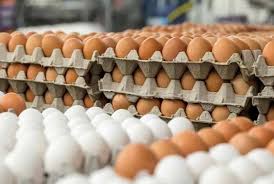
The government is taking decisive steps to tackle a persistent oversupply of eggs in the poultry sector, with plans to process surplus eggs into powder and other value-added products, while leveraging the national School Feeding Programme to absorb excess stock.
The initiative is a central pillar of a proposed national poultry master plan, a long-term blueprint designed to stabilise farm-gate prices, cut post-production losses, extend the shelf life of perishable products, and unlock new commercial opportunities across the poultry value chain.
A Glut With Deep Roots
Poultry farmers across Ghana have long battled the boom-and-bust cycle of egg production. Periodic oversupply regularly floods the market, forcing producers to slash prices well below the cost of production — sometimes with devastating financial consequences.
Government officials say the problem has been partly amplified by their own agricultural policies. Kwesi Etu-Bonde, Chief Technical Advisor to the Minister of Food and Agriculture, explained that last year’s state support for maize and soya production had significantly lowered the cost of poultry feed, making the sector more attractive to new entrants.
“The egg glut has come to our attention. Last year, the ministry supported the production of grains such as maize and soya, and that has brought feed prices down. As a result, more people have been incentivised to go into poultry production,” he said, speaking to journalists following a stakeholder dialogue on the proposed master plan.
Processing as a Long-Term Fix
At the heart of the government’s proposed solution is investment in value addition — transforming raw eggs into shelf-stable products such as egg powder that can be stored, traded, and consumed over longer periods, reducing the pressure of oversupply on fresh markets.
“Eggs can be processed into powder, and that is part of the value addition we want the poultry master plan to address,” Etu-Bonde said. The plan also calls for expanded cold and dry storage infrastructure to better manage production surges before they trigger market crises.
School Feeding Programme Drafted as Emergency Buffer
As a more immediate intervention, President John Mahama has directed the School Feeding Programme to begin purchasing eggs directly from the market — providing poultry farmers with a guaranteed institutional buyer while also improving the nutritional quality of meals served to schoolchildren.
“The President has instructed that the School Feeding Programme should purchase eggs from the market as part of the effort to support poultry farmers,” Etu-Bonde confirmed.
A Master Plan for the Sector’s Future
The national poultry master plan, once finalised, is expected to offer a comprehensive roadmap for strengthening every link in the poultry value chain — from feed production and farm management to processing capacity, market access, and price stabilisation mechanisms.
Industry stakeholders, who have raised concerns about egg oversupply for years, have broadly welcomed the government’s renewed engagement, though many will be watching closely to see how quickly the plan translates from policy dialogue into concrete action.
By: Janice Opoku-Agyemang