
















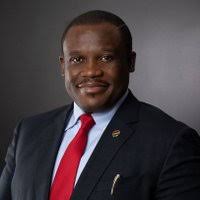
The government has dismissed claims that it intends to regulate social media through its newly proposed anti-misinformation bill. Communication Minister, Sam Nartey George, clarified in an interview on JoyNews’ PM Express that the legislation under development is not aimed at controlling digital platforms, but rather at addressing the growing challenges of misinformation, disinformation, and hate speech across both traditional and new media.
According to him, the government’s position on the issue has been misunderstood. “At no point in time have we said we want to regulate social media,” Sam George stated. He explained that the objective is to ensure that individuals and organizations using digital platforms for broadcasting are held to the same ethical standards as those in traditional media. “The fact that you use new media for broadcast does not put you above the ethics of the broadcast journalist. You must hold yourselves to the same standards that traditional media hold,” he added.
Bill Targets Misinformation, Not Social Media Platforms
The Minister emphasized that the upcoming bill is designed to promote self-regulation among social media content creators, backed by a legal framework that applies equally across all media platforms. “We are working on a misinformation, disinformation, hate speech and other incidental speeches bill. That is not just going to regulate social media, it will also regulate traditional media,” Sam George clarified.
He revealed that the legal drafting of the bill has already been completed. The next phase will involve broad stakeholder consultations as part of the validation process before the legislation moves to Cabinet and then to Parliament. “We’re going to start the stakeholder engagements very soon, because the law itself has been crafted, and the legal work has been finished,” he noted.
Part of a Larger Legislative Agenda
Sam George further explained that the misinformation bill is only one part of a wider reform agenda by the Ministry of Communications and Digitalisation. Currently, the ministry is working on 15 different pieces of legislation. Among them is the Innovation and Startup Bill, which is aimed at creating a legal framework to support Ghana’s startup ecosystem and attract venture capital investment.
“As we speak, part of my team is up in the north on the innovation and startup bill to regulate the innovation and startup space in our country and be able to attract proper VCs,” he said, stressing that the government is taking a holistic approach to regulating the digital and communications space.
Supporting Social Media Creators
In addition to legal reforms, the Communication Ministry is also rolling out initiatives to empower Ghanaian digital and social media content creators. Sam George disclosed that his office has been engaging multiple associations of bloggers while deepening collaborations with platforms like TikTok.
For the first time on the continent, TikTok has agreed to deploy a team to Ghana to help train local creators. The training, according to the Minister, will focus on building capacity and equipping content creators with monetisation strategies. “We’re getting TikTok to, for the first time on the continent, fly in a team to come and help our content creators do capacity building to improve their monetisation,” Sam George revealed.
He further disclosed that the ministry has set up an engagement between TikTok and GCB Bank to develop new payment channels for Ghanaian creators. This is a crucial development in a country where the absence of PayPal has long hindered online income opportunities. “In the absence of PayPal in the country, which we’re also working on with the Bank of Ghana, TikTok and GCB Bank will offer a payment channel for our content creators here,” he added.
Responding to concerns about censorship, Sam George insisted that the government’s intention is not to restrict free expression on social media or other platforms. Instead, the aim is to create a balanced environment where content is shared responsibly, and the same professional standards apply across both digital and traditional media outlets.
“The goal is not to silence voices but to ensure responsibility in content creation and distribution,” he stressed. According to him, unchecked misinformation and hate speech present real risks to national stability and social cohesion, which makes the proposed framework critical to safeguarding the integrity of Ghana’s information ecosystem.
Building a Responsible Media Landscape
The Minister underscored the government’s commitment to supporting both traditional journalists and social media creators through fair regulation, training, and financial access. The anti-misinformation bill, he said, will strike a balance between freedom of expression and accountability, ensuring that all media players—online and offline—adhere to ethical standards.
Through consultations and new initiatives, the government hopes to build a robust and responsible media space that protects free speech while minimizing the harmful effects of misinformation in Ghana’s digital era.