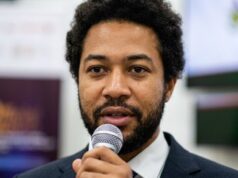


















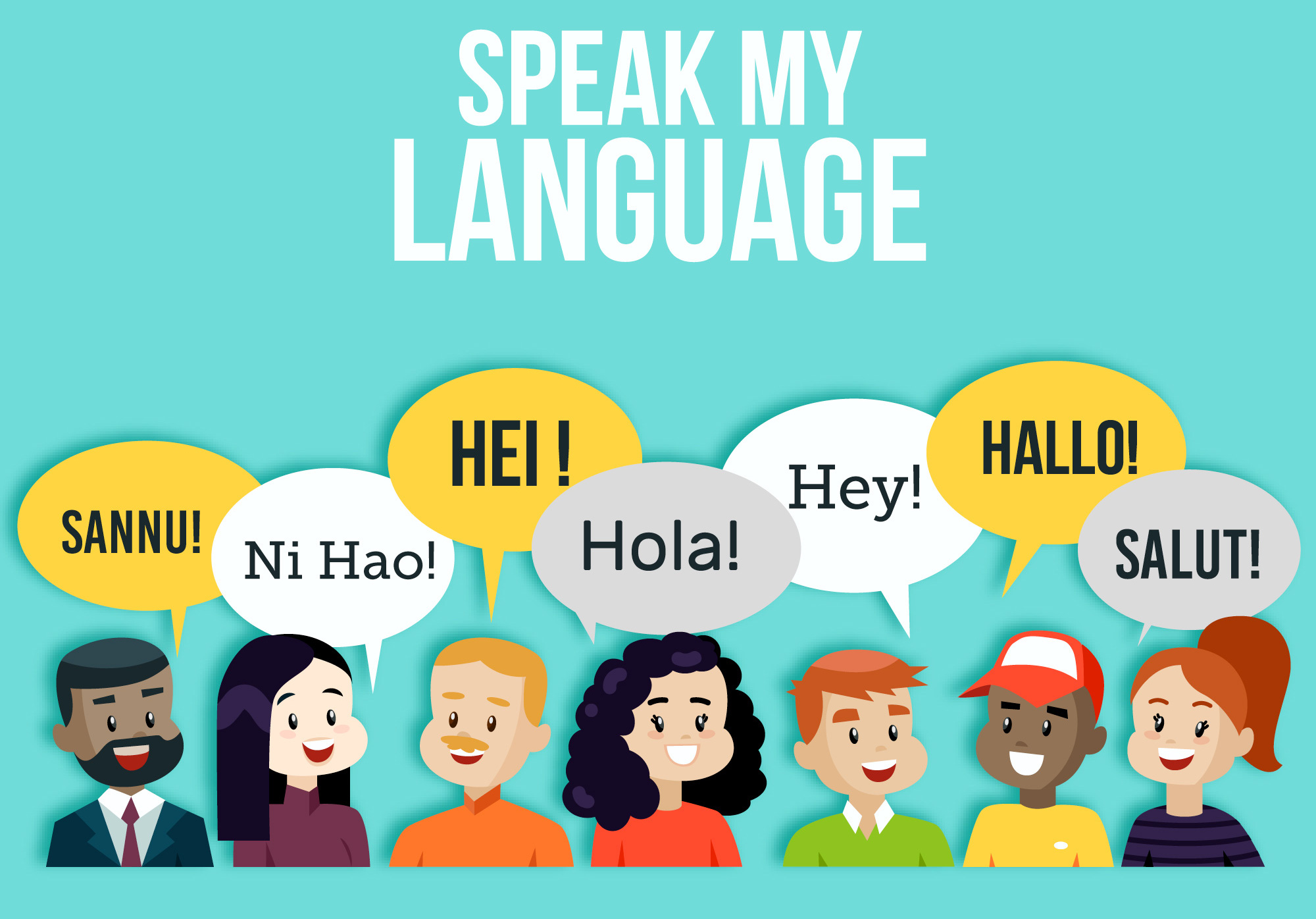
A bold proposal has emerged in Ghana’s public discourse as Dr. Hene Aku Kwapong suggests the creation of a new Ghanaian language. His idea seeks to merge Twi, Ga, Ewe, and Dagbani into what he calls “Langa Langa.” According to him, the proposal is part of a three-model structure that has proven successful in other countries.
Dr. Kwapong pointed to countries such as South Korea and Singapore, where governments streamlined multiple languages to promote unity and identity. He said Ghana could adopt the same approach.
Dr. Kwapong revealed that he has already compiled over 500 pages of material for the proposed language, which he calls “Langa Langa.”
He explained that the proposed structure would have three levels: a mother tongue, a national Ghanaian language (langa langa), and English. The new Ghanaian language, he said, would merge the four dominant local tongues into one. “I am proposing that we create a new language… I put together Twi, Ga, Ewe, and Dagbani,” he said.
National Institute for Language Development
Dr. Kwapong suggested that a national language institute could oversee the development and standardization of “Langa Langa.” He believes this would ensure the new language is properly taught, accepted, and implemented across all sectors of society.
He stressed that the initiative could transform the country by uniting citizens under a shared identity. “If we dare to be bold to do this, the transformation that can happen in this country will put us on the map,” he said.
English Versus Local Languages
On whether English already serves as a unifying language, Dr. Kwapong argued otherwise. He said English does not unite Ghanaians in the same way a locally rooted language could. In his view, the merger of existing Ghanaian languages would create a stronger cultural bond while promoting understanding across regions.
He compared the concept to national language reforms in Indonesia and Tanzania, insisting Ghana could also succeed if the political will exists.
He said adopting a common language could help preserve shared values for generations.