







The Ghana Audit Service has urged media practitioners to thoroughly examine the Auditor-General’s report before filing their news stories to prevent unnecessary mistakes.
Over the years, the Service observed that some media houses and journalists misinterpret and misreport the findings of the Auditor-General’s document, leading to numerous inaccuracies.
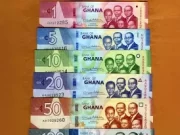
The 2024 report revealed that irregularities identified among public boards, statutory bodies, corporations and others surged to GH¢18.4 billion, a significant increase from GH¢8.8 billion in 2023.
Some journalists interpreted these irregularities as indicating that all the funds have been lost or possibly misappropriated by individuals.
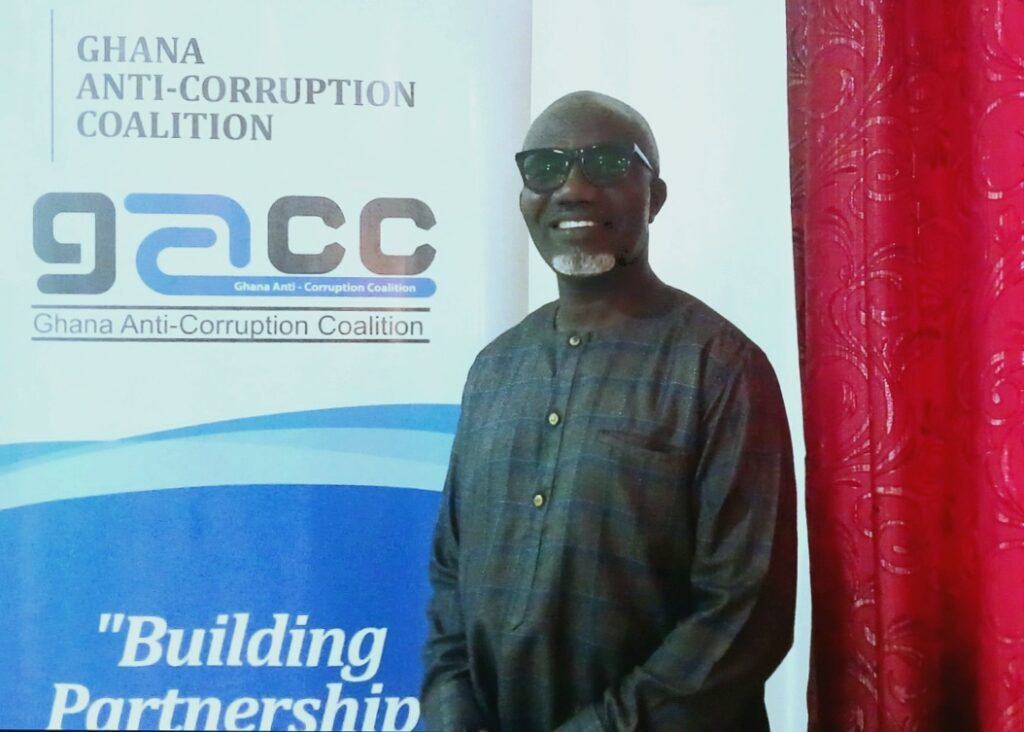
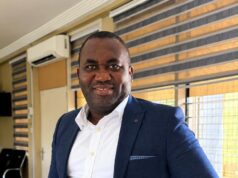
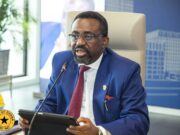
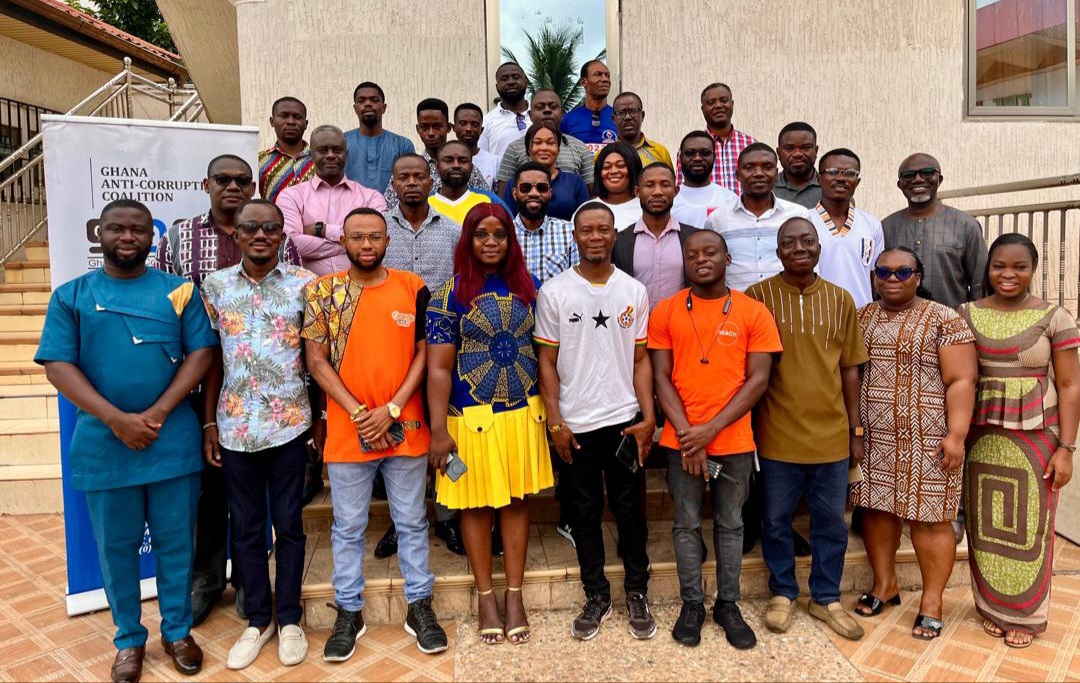
During a two-day training session for journalists in Kumasi, organized by the Ghana Anti-Corruption Coalition (GACC), Frederick Lokko, Assistant Director of Audit at the Ghana Audit Service, clarified that irregularities do not necessarily imply that the money has been squandered.
Instead, they indicate that the funds were not used properly in accordance with the regulations outlined in the Public Financial Management Act.
While Mr. Lokko acknowledged the possibility that some funds might have been misappropriated, he stressed the importance for journalists to avoid sensationalism and exaggerated headlines by accurately understanding and interpreting the Auditor-General’s report before reporting on it..
“The real motivation has been the fact that over the period, the service has observed the reportage on the Auditor-General’s report has not really been a true reflection of what the report contains and the intentions of the report, so that has been the main driving factor of this training,” he said.
“The main challenge is that, most of the media houses run with this figure (GHC18.4 billion irregularities). And the perception, the way it’s portrayed to the general public is as if this amount of money is being misappropriated by public officers. And to a large extent, even it’s like it’s lost,” he added.
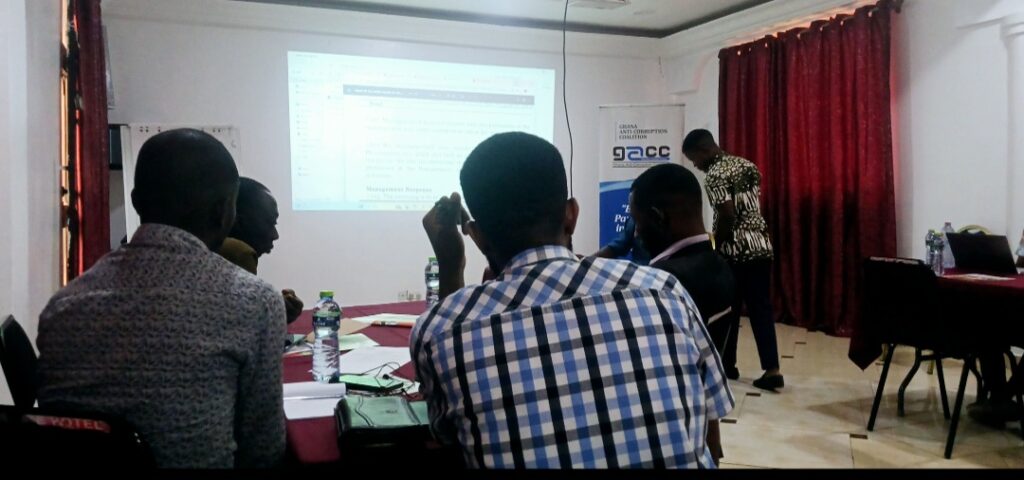
Mr. Lokko believes that journalists should be careful not to report the findings in a way that causes panic among citizens, as this could erode trust in the political class and potentially lead to civil unrest.
Pamela Laourou, Assistant Communications Officer at the Ghana Anti-Corruption Coalition, stated that the training is critical in the fight against corruption since the report reveals how public resources are managed, flagging irregularities and gaps in accountability.
“Equipping journalists with the skills to analyse and report effectively makes the media a powerful watchdog for transparency and good governance,” she indicated.
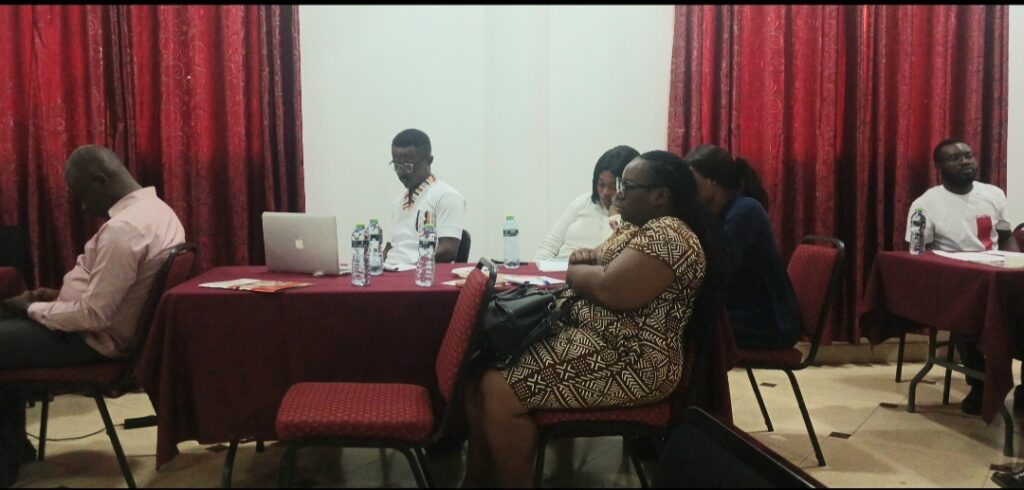
The journalists were drawn from four regions, including Ashanti, Bono, Bono East, Ahafo, and Western North.
The training, conducted in three zones, benefited approximately 90 journalists across all 16 regions of the country.