























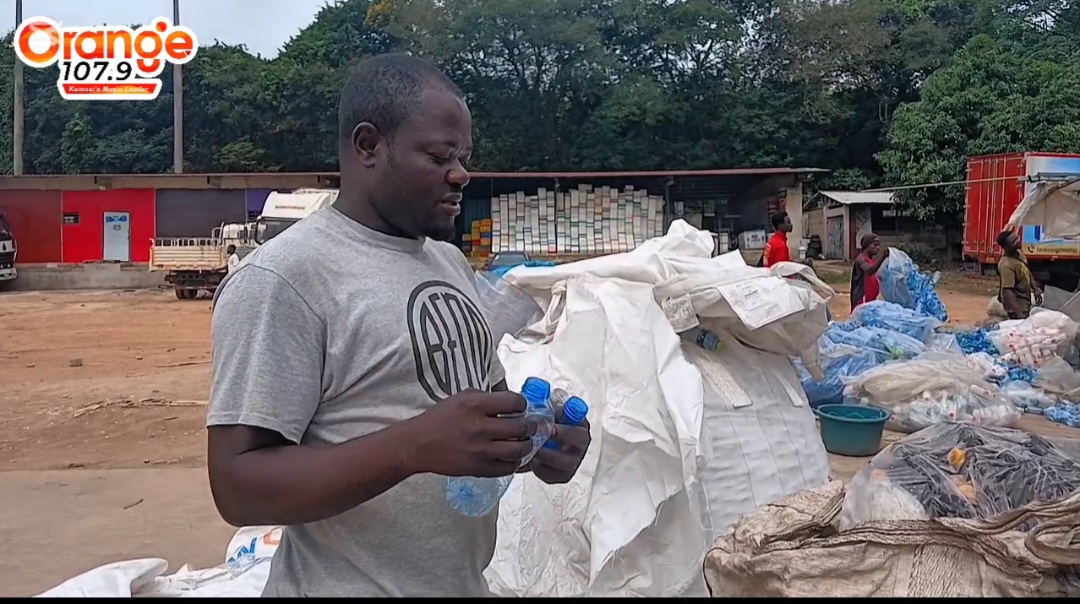
At the end of each month, a huge portion of my profit goes towards paying electricity bills. This has been the struggle for a local plastic waste recycler in Ghana’s Ashanti Region.
Kwasi Benua Amenyona has been operating in the plastic recycling industry for several years, and he describes the situation as very challenging.
He pays over 10,000 cedis, just a little over 976 dollars, every month for electricity, even without using very advanced equipment.
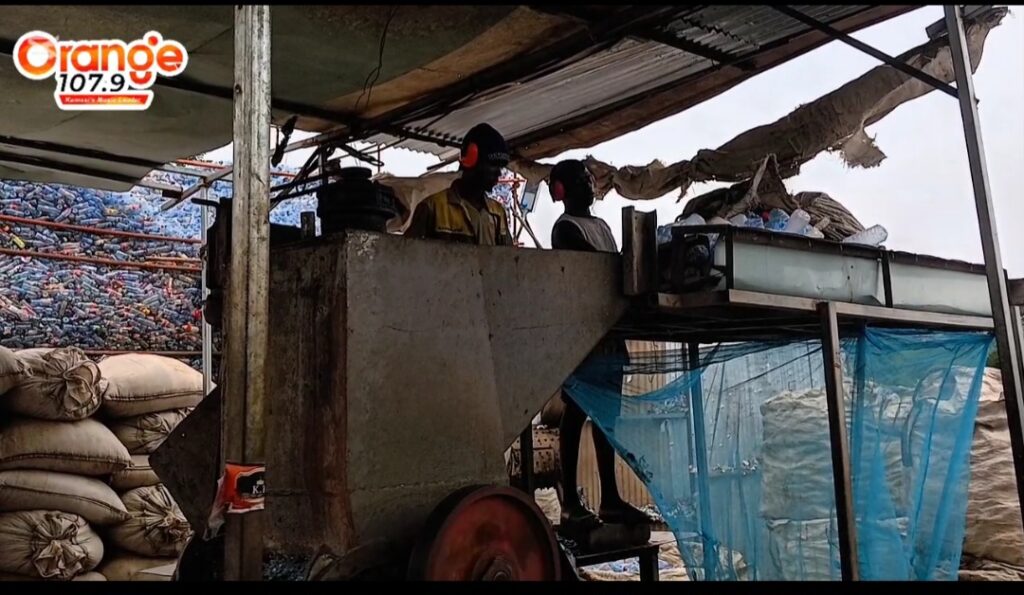
“At the end of the month, all my profit goes into settling ECG bills. I pay approximately 2,500 cedis weekly, totalling more than 10,000 cedis a month,” he explained.
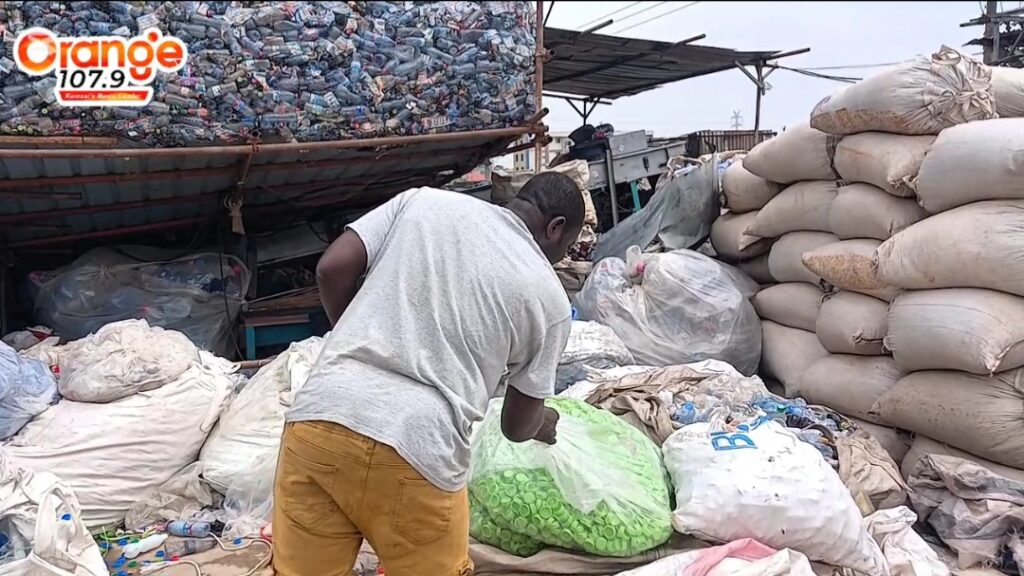
Speaking with Plastic Journalist, Fatawu Bayaga as part of a Plastic recycling documentary dubbed “Beyond The Bin,” Amenyona noted that his previous meter worked well, resulting in moderate bills, but since it was changed by ECG, his bills have been steadily increasing.
This financial burden impacts the daily operation of his business, making it difficult to maintain adequate funds for ongoing expenses.
Amenyona urges the government to create a more supportive environment, including providing electricity subsidies, to assist plastic recyclers.
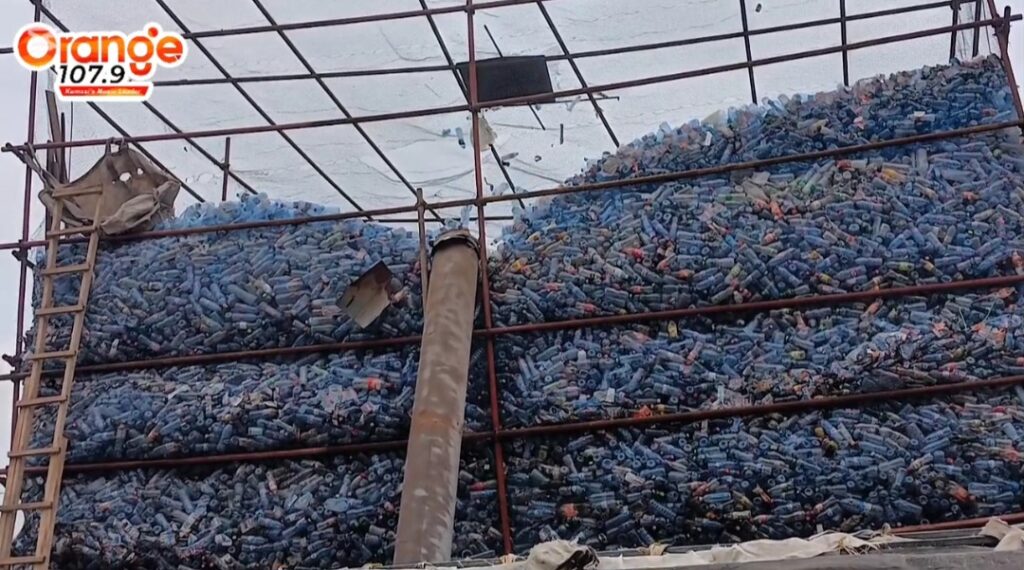
He has considered leaving the business due to the severity of the challenges, but the lack of alternatives in Ghana keeps him motivated to continue.
Plastic waste is prevalent throughout Ghana, yet another challenge for recyclers is the insufficient collection rates, which fail to meet the needs of various companies.
Globally, plastic waste is a menace, with many countries adopting measures to combat this problem.
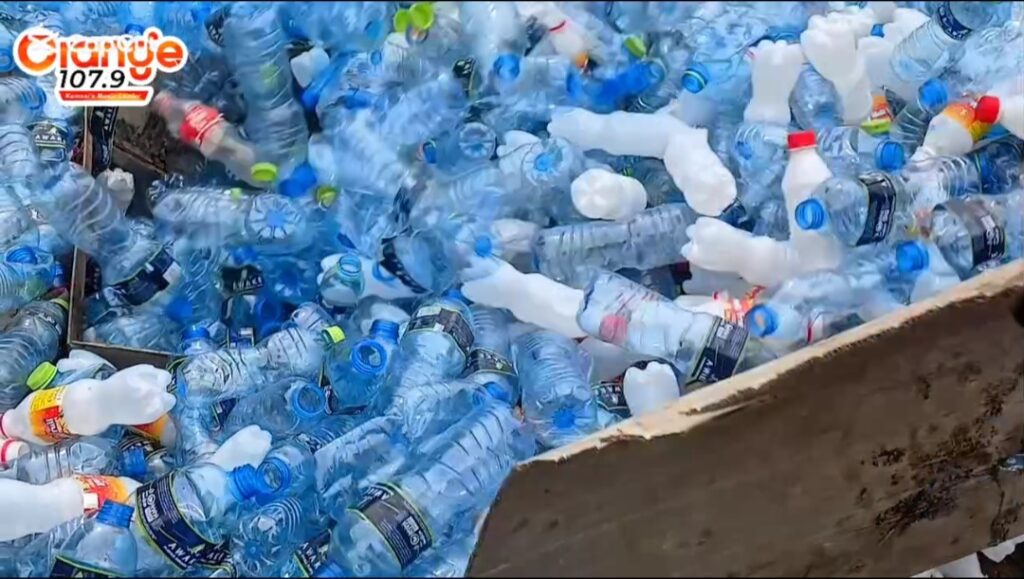
Some nations, including Thailand, Rwanda, and Palau, have banned the importation of plastic to reduce pollution, while others are ramping up recycling efforts.
In Ghana, the situation is alarming, as only 5 per cent of the approximately one million tons of plastic waste generated annually is collected and recycled—a fact that raises concerns among many.
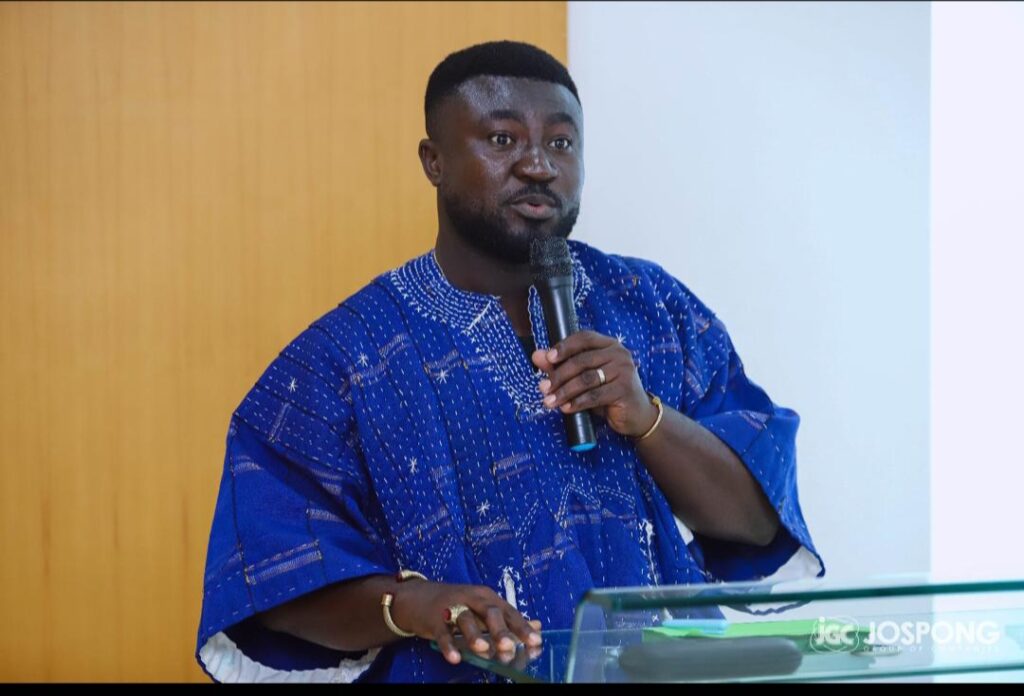
Eugene Amo-Asamoah, the Communication Manager of the Kumasi Compost and Recycling Plant (KCARP), the largest recycling facility in Africa, also expresses concern about the situation.
He calls on the government to support local recycling companies to help alleviate these challenges.
He suggests that if sanitation issues were effectively addressed, the government would not need to spend large sums of money on remediation efforts.
Mr. Amo-Asamoah proposes implementing penalties for sanitation violations to deter improper disposal of plastic and other waste.