




















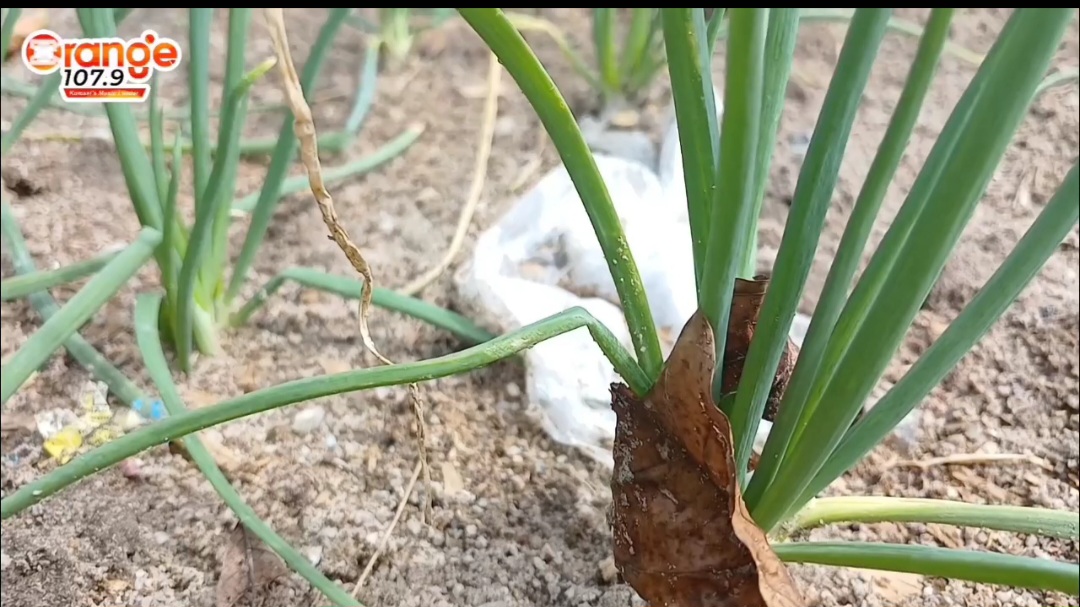
A vegetable grower at Atonsu Gyenyase in the Asokwa Municipality of the Ashanti Region, Agyei Douglas, is seriously concerned about plastic waste pollution in the area.
Douglas’s farm is often littered with plastics, particularly after a downpour, leaving him with no choice but to pick them up one by one, fully aware of the implications.
Whenever rain is imminent, he dreads the large quantities of plastics he will find on his fields, as his farm is close to the city.
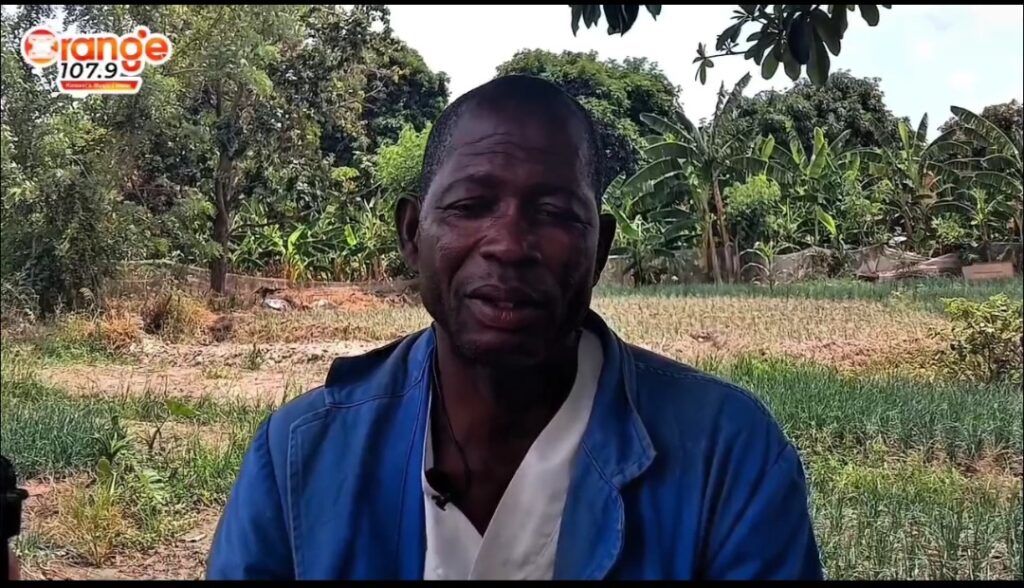
In a documentary titled “Plastic Peril Part Two,” Douglas spoke with Orange FM’s Fatawu Bayaga about the impact of plastic waste on crops and animals.
More than a million tons of plastic waste is generated in Ghana, with only two to five percent being collected and recycled.
This highlights the serious nature of the challenge facing the West African nation.
For Douglas, the situation is particularly alarming, as plastics sometimes become lodged in his raised beds, hindering root penetration.
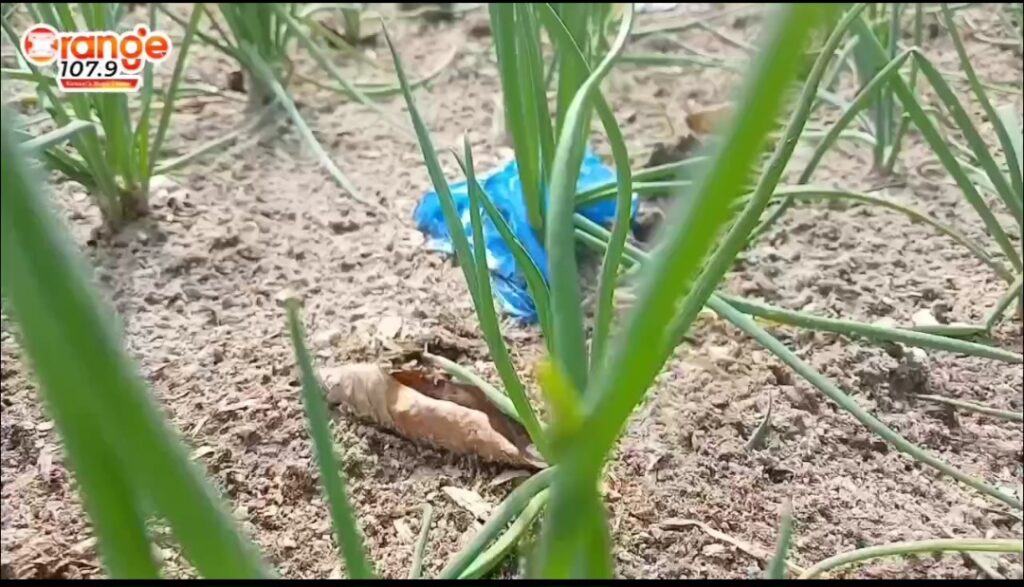
“As vegetable farmers, we raise beds for our crops, but plastic waste sometimes gets stuck on these beds. If a large portion is affected, we always risk losing a significant amount of the produce,” a disappointed Douglas stated.
He is also troubled by the fact that plastics often clog his irrigation water, forcing him to clear them daily before watering his plants.
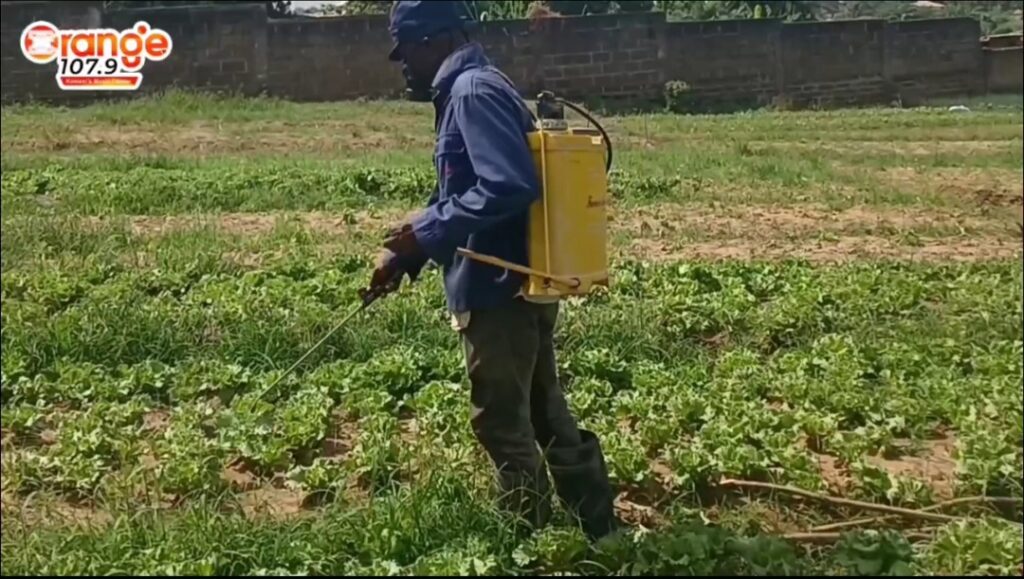
This routine is frustrating for the farmer.
“The water we use for irrigating our crops is often overtaken by plastics, which disrupts our operations. Our watering cans frequently become clogged with plastic, forcing us to spend time fixing them, so plastic pollution has a severe impact on our work,” he said.
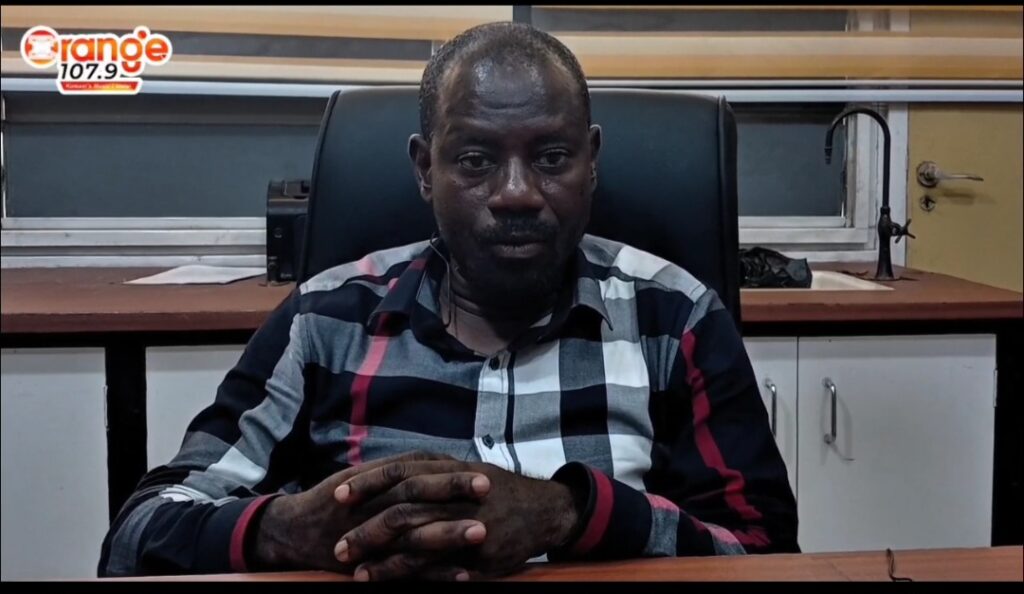
Meanwhile, a soil scientist and lecturer in the Department of Crop and Soil Sciences at the Kwame Nkrumah University of Science and Technology explained that plastic waste has a serious impact on crops when it becomes embedded in the soil.
“Plastic is a physical obstacle or barrier to root penetration; it is not permeable. If you have a root growing in the soil and it encounters a hardened plastic layer like PVC, how is it going to penetrate through it to absorb more water and nutrients?” he questioned.
Prof. Andrews Opoku elaborated that this barrier prevents root growth and development, ultimately reducing plant size and yields.
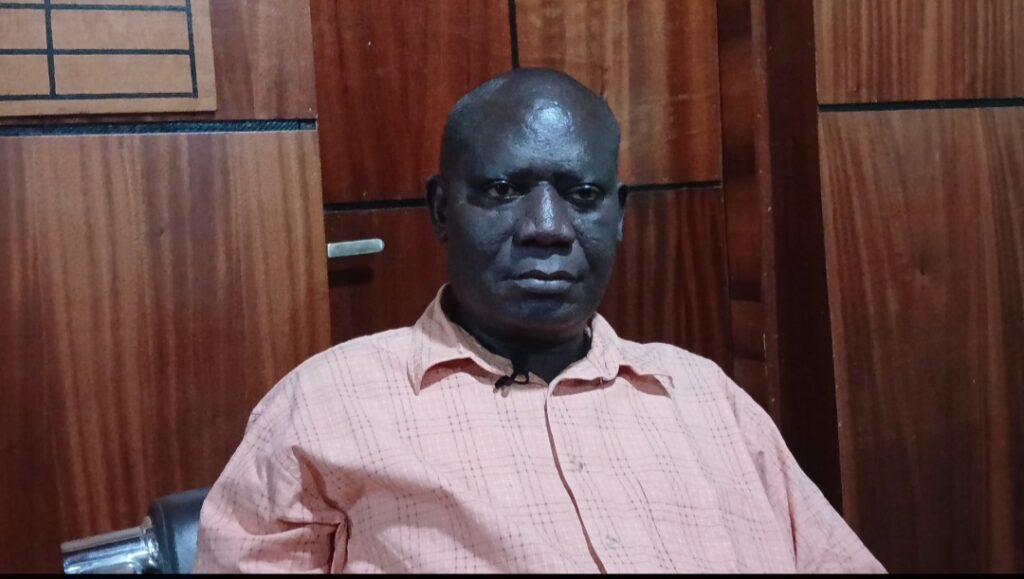
The Ashanti Regional Director of Agriculture, Mr. Godfred Appiah Acheampong, indicated that plastics can remain in the soil for hundreds of years without degrading.
He stated that this phenomenon poses a significant hazard to agriculture in Ghana.
“Though we’ve not gotten to the peak of the crisis, it is gradually becoming a crisis. If you plant and do not harvest, it means that all your investments have gone to waste, so we have to do something about it,” he said.