
























Dr. Stanley Hughes-Obresi, a veterinarian with the Fish Health Unit at the Fisheries Commission in the Ashanti Region, has issued a stark warning about the dangers of microplastics in fish, revealing their potential to cause infertility and other health issues in humans.
“The microplastics that accumulate in fish over time are also ingested by those who consume them, including humans and larger animals. So, the adverse effects observed in fish can be indirectly transferred to humans, leading to fertility issues, metabolic disorders, and other health problems over time,” he explained.
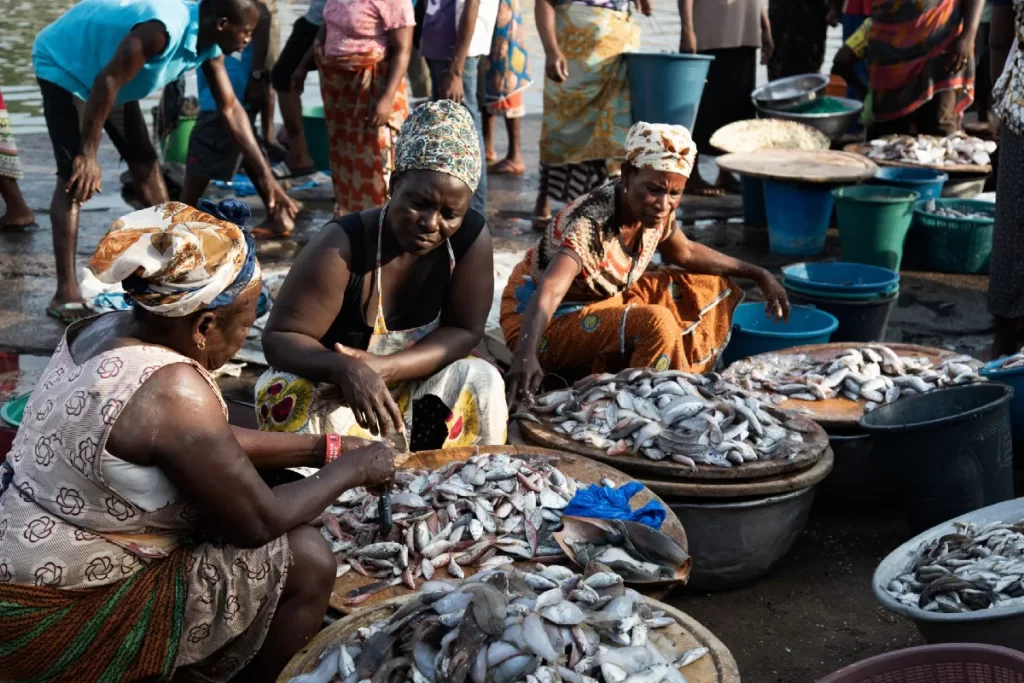
Dr. Hughes-Obresi further noted that microplastics can absorb harmful toxins, including heavy metals like mercury and lead, often resulting from illegal mining activities, which pose severe risks to human health.
In an interview featured in a documentary produced by Orange FM titled “Plastic Peril Part Two,” which highlights the effects of plastic waste on animals and crops, he called for a rethink of how plastic waste is managed across Ghana.
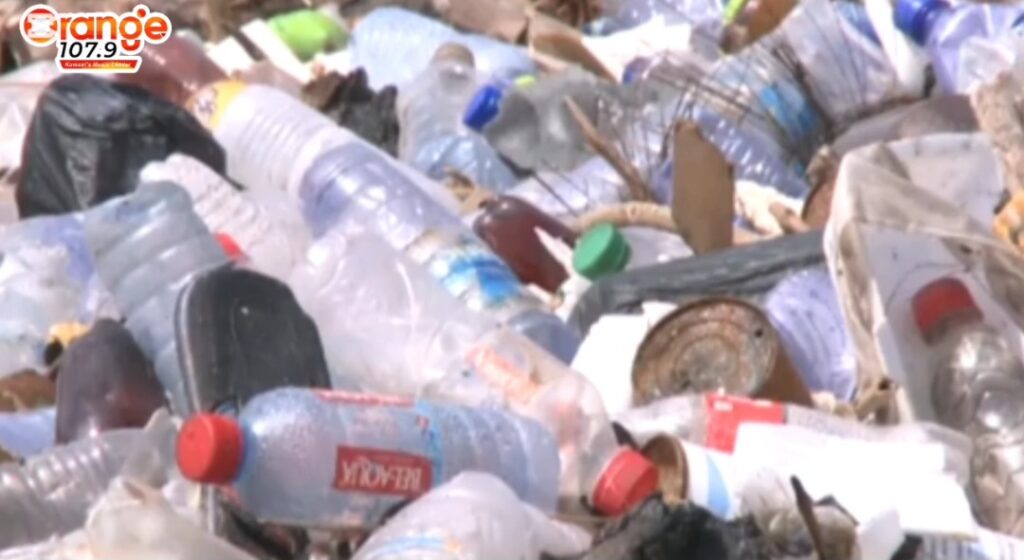
While microplastic accumulation is particularly severe in coastal areas, prolonged presence in rivers can lead to contamination of fish upstream, resulting in significant health implications.
Research from various institutions, including the National Institutes of Health (NIH) in the U.S., indicates that microplastics adversely affect both female and male fertility.
They can degrade sperm quality, disrupt ovarian health, alter hormone levels, and potentially jeopardise fetal development.
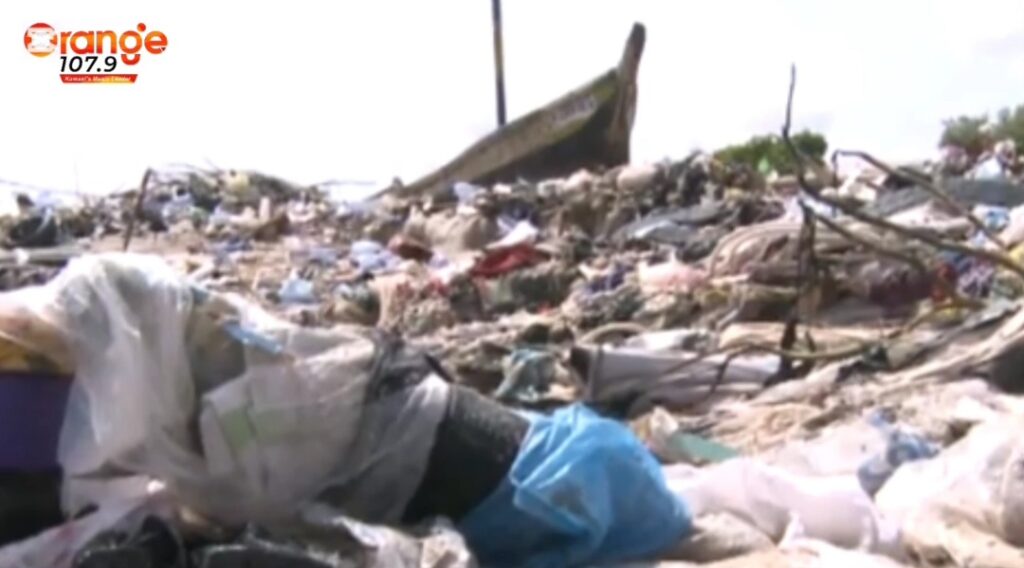
Dr. Hughes-Obresi stated the urgent need for increased public awareness, policy changes, and innovative research to address microplastic pollution and its health impacts.
He believes that a collaborative approach involving all stakeholders is essential to effectively tackle this pressing issue.
According to the United Nations Environment Programme, approximately 2,000 garbage trucks full of plastic are dumped into the world’s oceans, rivers, and lakes every day, directly affecting millions of people’s livelihoods, food production capabilities, and social well-being.
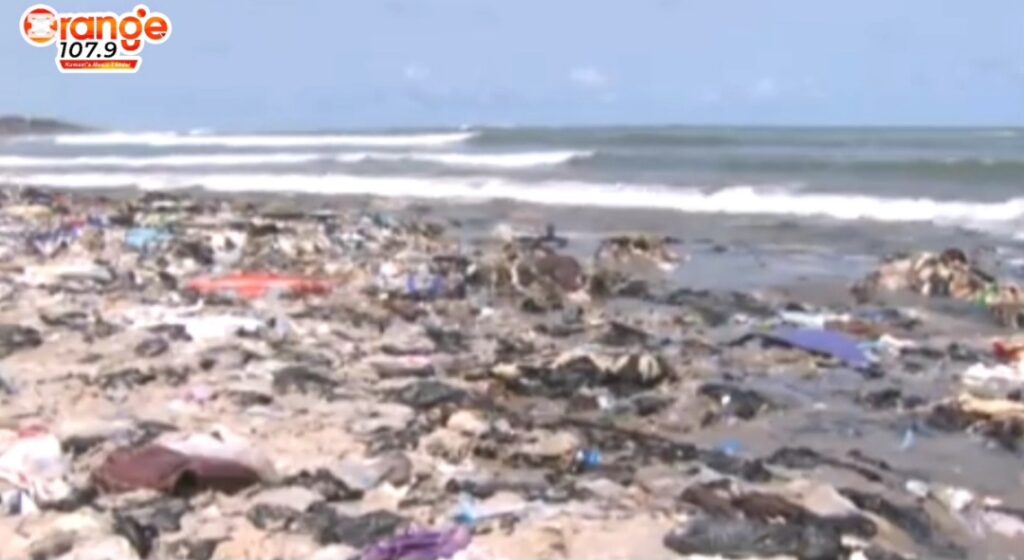
Plastic pollution is a global problem that demands immediate solutions, if not the world may face serious crisis in the near future.