





















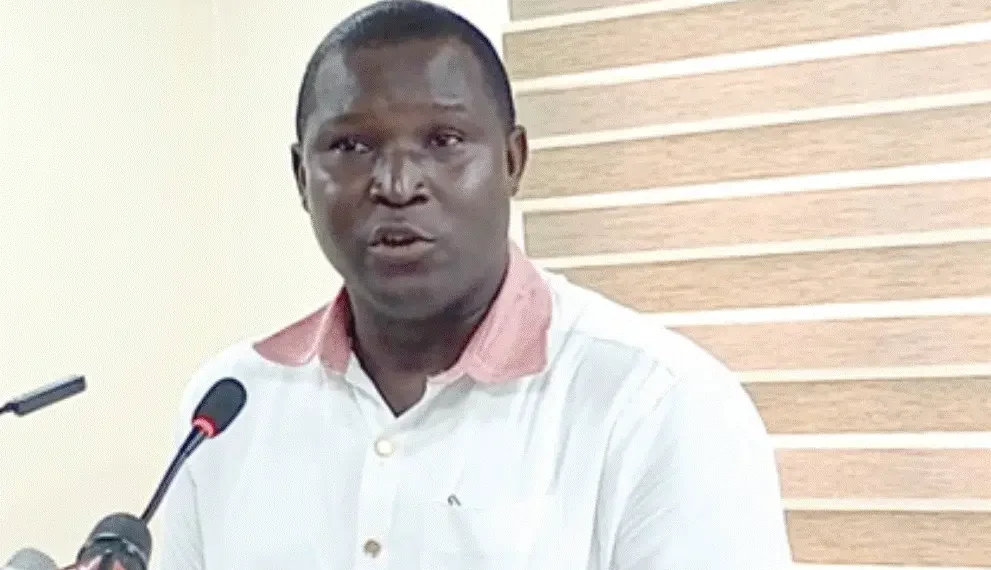
As a critical step in addressing climate change in Ghana, environmental advocate and Deputy Director of A Rocha, Daryl Bossu has called for urgent and sustained efforts to scale up clean cooking solutions. Speaking at the Climate Talks forum organized by JoyNews, Daryl Bossu emphasized the urgent need to shift from traditional cooking methods to cleaner alternatives to reduce deforestation and environmental pollution.
Clean Technologies Vital to Reducing Emissions
Bossu underscored the importance of investing in innovative cooking technologies and clean fuels to tackle the adverse effects of climate change in Ghana. “We need to look at new strategies, technologies, and innovations to bring in clean fuels,” he said. Among the options he highlighted were briquettes made from agricultural and household waste, which offer a sustainable alternative to charcoal and firewood.
He further stressed the role of improved cookstoves in minimizing harmful emissions. “We need cookstoves that ensure people use much cleaner fuels,” he said, adding that urban households could adopt electric cooking—provided the national grid remains reliable.
Ecosystem Restoration and Policy Reform Are Critical
In addition to technological innovation, Bossu advocated for reforestation and land regeneration to counter the effects of environmental degradation. “Regrowing, replanting, and regenerating the environment is crucial,” he said. He recommended the integration of woodlots on farms as a means to sustainably replenish forest resources.
Bossu also highlighted existing policy bottlenecks that hinder progress in the clean energy sector. He cited high taxes and regulatory constraints as key challenges limiting private investment in alternative fuel solutions such as coconut husk and rice husk-based energy. “We must open up the policy space to allow private investments,” he urged.
Health, Forests, and the Climate at Risk
Currently, over 29 million Ghanaians depend on firewood and charcoal for daily cooking. Daryl further warned that without widespread access to cleaner alternatives, the country faces worsening health and environmental problems. “If only a few people have access to LPG, we aren’t solving the problem,” he cautioned.
He suggested expanding natural gas infrastructure and supporting biomass energy to ease pressure on forests and improve indoor air quality. These steps, he believes, are essential for Ghana’s long-term strategy to combat climate change in Ghana.
As the nation works to reduce its carbon footprint, these initiatives could play a pivotal role in addressing the broader challenge of climate change in Ghana.