



















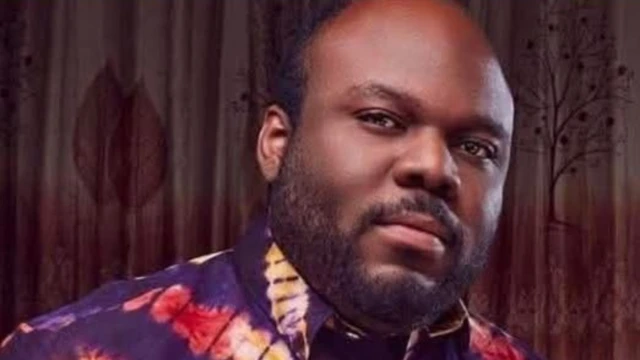
The Ghana Medical Association has announced psychological, psychiatric and legal support for health professionals implicated in the controversial death of Charles Amissah, as investigations and disciplinary proceedings continue.
President of the association, Prof. Ernest Yorke, said the GMA is focused on ensuring that affected doctors and nurses receive fair treatment and emotional support while regulatory bodies carry out their investigations.
His comments come after the release of findings by a committee chaired by Prof. Agyemang Badu Akosa, which concluded that delays and lapses in emergency medical care contributed to the death of the 29-year-old engineer.
GMA Provides Emotional and Legal Support
Speaking on Channel One TV’s The Point of View on Monday, May 11, Prof. Yorke disclosed that the association has already engaged mental health professionals to support members affected by the case.
“We have enlisted the support of a psychologist and a psychiatrist to support them through the process. We are giving them legal support as well. We will police the process to make sure that it is fair, equitable, and just,” he stated.
According to him, the GMA recognises the emotional pressure and public scrutiny surrounding the matter and believes healthcare workers involved deserve due process under the law.
Public Outrage After Committee Findings
The Charles Amissah case has sparked widespread public concern and renewed debate about emergency healthcare delivery in Ghana.
The investigative committee concluded that Amissah’s death resulted largely from medical neglect rather than injuries sustained during the initial hit-and-run incident that reportedly left him seeking urgent care at multiple health facilities.
The findings have placed several doctors and nurses under investigation, with possible disciplinary action expected from the relevant professional and regulatory bodies.
GMA Calls for Fair Disciplinary Process
While acknowledging the need for accountability within the healthcare system, the GMA insists that disciplinary actions must follow established legal and professional procedures.
Prof. Yorke stressed that the association would closely monitor proceedings to ensure fairness and justice for all parties involved.
The case has intensified calls for reforms in Ghana’s emergency healthcare system, particularly regarding patient admissions, emergency response protocols and the handling of critically injured patients.
By: Janice Opoku-Agyemang