























Fuel prices are expected to surge in the coming weeks as global oil prices hike as a result of the attacks on commercial vessels near the Strait of Hormuz.
The Strait of Hormuz is a major shipping lane that carries about 20% of the world’s oil and gas supply.
Escalating tensions in the Middle East have contributed to the price spike. Iran has intensified strikes across the region in response to ongoing attacks by the United States and Israel. The tensions and uncertainty have hit the energy sector, raising concerns about potential supply disruptions.
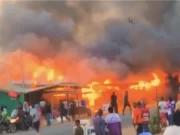
The UK Maritime Trade Operations (UKMTO) says at least three ships were attacked near the Strait of Hormuz. Two vessels were hit by unknown projectiles, causing fires, while another projectile reportedly exploded very close to a third vessel. Authorities say the crew members are safe.
Iran has sternly cautioned ships to avoid passing through the strait, prompting many vessels to anchor in nearby waters rather than risk transit. According to analysts, shipping activity at the strait’s entrance has slowed significantly due to security concerns and rising insurance costs.
Sustained increases in crude prices could translate into higher pump prices, increased transport fares, and upward pressure on food and commodity prices for Ghana.
Energy analysts have said that markets have not yet gone into full panic mode because major oil production and transport infrastructure have not been directly targeted. However, they warn that if the war drags on and shipping through the Strait of Hormuz remains restricted, prices could surge beyond $100 per barrel.
Globally, companies like the OPEC+ group — which includes Saudi Arabia and Russia agreed on Sunday to increase output by 206,000 barrels per day as part of efforts to stabilise the market. Some experts, however, have expressed concerns about the sustainability of this if the conflict should last longer than expected.
Meanwhile, Iran’s Islamic Revolutionary Guards Corps (IRGC) says three tankers linked to the UK and US had been struck by missiles and were burning. Neither country has officially confirmed the claim.
The UKMTO has reported multiple security incidents across the Arabian Gulf and the Gulf of Oman and has advised vessels to transit with caution.
Ship-tracking data indicates that more than 150 tankers have dropped anchor in open Gulf waters rather than attempt to pass through the strait. Analysts warn that if the waterway remains effectively closed for an extended period, the consequences for global energy markets — and fuel-dependent economies like Ghana — could be significant.
By: Janice Opoku-Agyemang