





















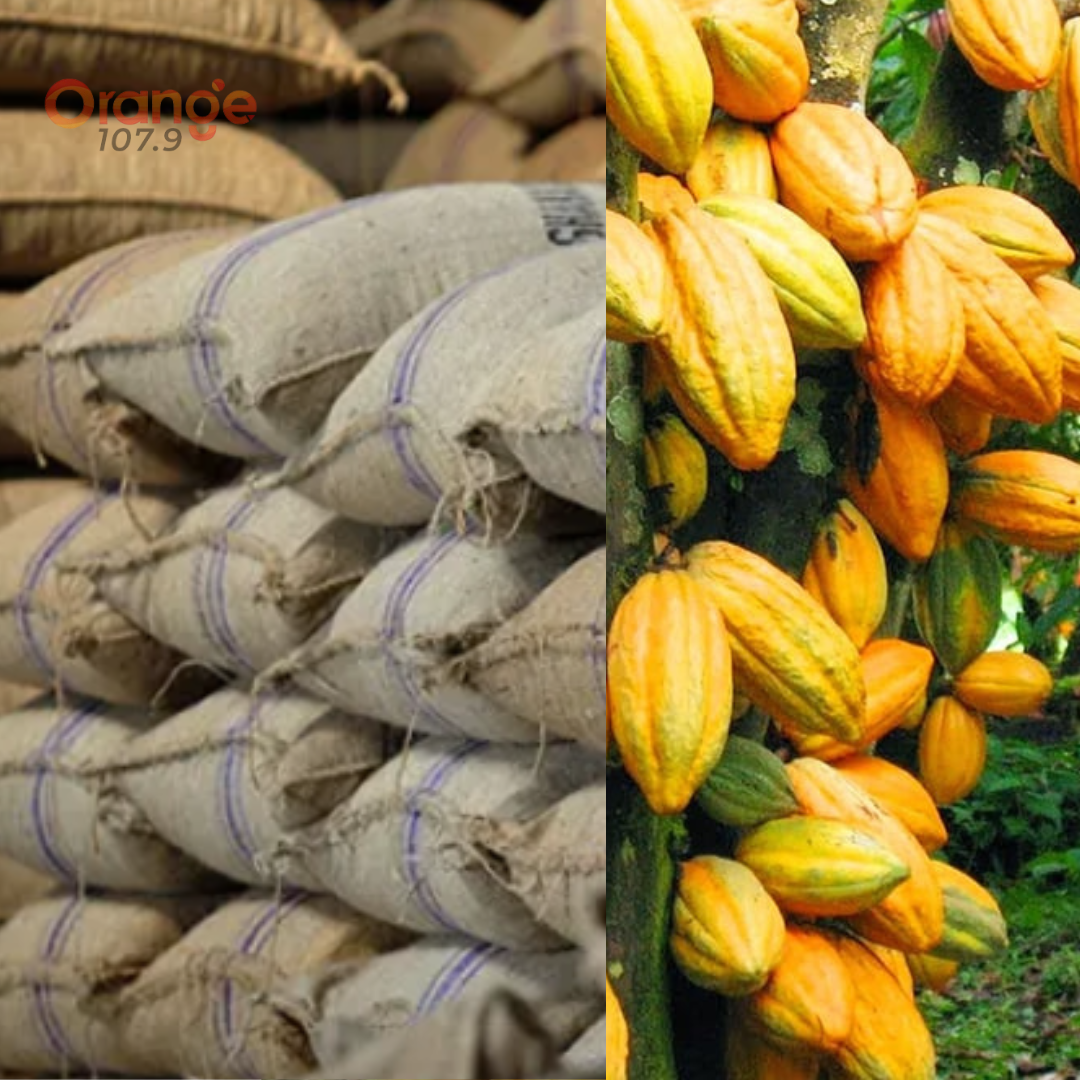
A cocoa farm is thriving in Northern Ghana, this news has excited the Nanung area. It challenges old beliefs people thought cocoa could not grow in the north. Farmer Mohammed Nchala made this possible, he experimented against the odds and his success in Salnaayili is now famous. A viral video brought it national attention.
The Ghana Cocoa Board (COCOBOD) took notice and sent a team to see the farm. Cocoa usually grows in the south, with wet forested conditions but Nanung has very fertile soil. This soil resembles southern regions. The land near the Oti River supports the crops.
Nchala started with four acres of land. Bushfires later destroyed many trees. He also cared for his sick father. He reduced the farm to two-and-a-half acres. “I have no support,” Nchala said. “This is my biggest challenge.” He first planted seeds from the Volta Region. That was back in 2012. Now, cocoa grows beside plantain crops. Some trees are already producing fruit.
COCOBOD officials are very impressed. Deputy CEO Dr. Francis Baah called the farm remarkable. “No one expected this in the North,” he said. He announced great news for Nchala. CEO Dr. Randy Abbey will personally build him a house. Abbey will also give him a motorbike. This will support his work.
The board sees big potential here. Experts will study the land for expansion. They want larger-scale cultivation. Dr. Kofi Owusu Domfeh is a research director. He said the trees look very healthy. They show no signs of disease. His team will research the soil next. They want to ensure lasting success.
This project means more than just farming. It can create many new jobs. It will help the local economy grow. The community has promised its full support. The local Regent has even offered free land for cocoa.
Nchala has already received some help. He got fertilizer, money, and medical care. COCOBOD will also give him a special award. He will receive it on Farmers’ Day.
This farm is a major milestone for the north. It could transform the local economy. It also opens new opportunities for the youth. The future of Northern cocoa looks bright.