





















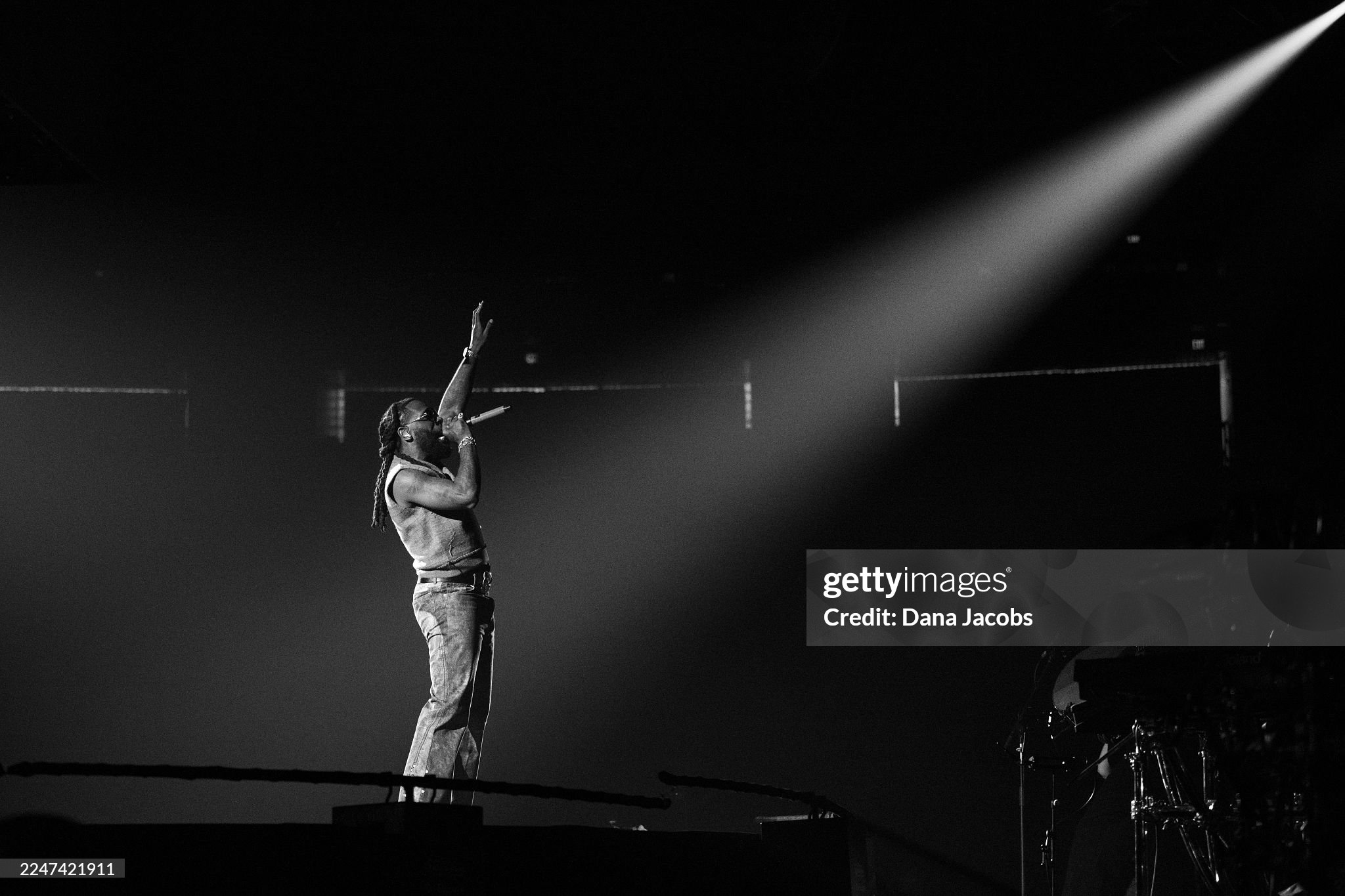
A recent incident at Burna Boy’s Denver concert has sparked a global conversation about concert etiquette, artist behaviour, and how performers should treat the fans who support them. The controversy began when Burna Boy stopped his performance after spotting a woman asleep in the front row and immediately ordered her and her partner to leave the venue. The moment went viral within hours.
The woman, who later identified herself as Chaltu Jateny, has now spoken publicly, revealing that she was grieving the recent death of her child’s father. She explained on TikTok and Instagram that she had been emotionally exhausted and hoped the concert would “put a smile” on her face. According to her, Burna Boy came on stage much later than expected, and fatigue simply took over.
Chaltu said the incident left her “embarrassed and humiliated.” She added, “We paid to be there and if I wanted to close my eyes and sleep, I can do that.” She also called for empathy from people who criticised her online.
The backlash intensified when another clip circulated online showing Burna Boy saying he was “only looking for fans who have money.” Many interpreted this as arrogance, especially given the timing. However, Burna Boy later clarified in a now-deleted Instagram Story that the clip was taken out of context. He claimed he was joking with members of his band and that social media twisted it into something else. “You people spun it as usual,” he wrote, insisting that he has always shown love to fans who show love to him.
Still, this is not the first time the Grammy-winning star has faced criticism over his treatment of fans. He previously kicked a male fan who rushed the stage for a hug and once asked another fan to leave his show for not dancing during his performance. He never apologised for those incidents, further fuelling the perception that he can be dismissive or overly harsh.
The latest controversy has reignited discussions about concert etiquette, from audience behaviour to performer responsibility. Many argue that while fans owe artists respect, artists also owe fans compassion, especially during live events where emotions, expectations, and personal struggles collide. Others believe performers should maintain the energy of their show and have the right to remove disruptive audience members.
At the same time, the debate has expanded into the issue of pride in artists. Burna Boy’s talent and global success are undeniable, but critics say humility and empathy must accompany fame. Supporters counter that artists are human too, dealing with their own pressures, grief, and expectations.
In the end, the Denver incident highlighted two realities: fans attend concerts seeking joy and connection, and artists carry the heavy responsibility of managing a room full of emotions. The conversation around Burna Boy may not end soon, but it has certainly pushed many to reflect on what respect and accountability should look like on both sides of the stage.