















Nigeria’s government has rejected its inclusion on the United States’ list of “countries of particular concern” over alleged violations of religious freedom, describing the move as misleading and based on faulty data.
The designation, announced by US President Donald Trump last week, accused Nigeria of failing to protect Christians from targeted attacks. Trump further claimed he had directed the US Defence Department to prepare for possible “fast” military action if Nigeria did not act to curb such killings.
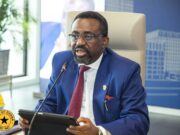
At a press briefing in Abuja on Wednesday, Information Minister Mohammed Idris dismissed the claims as “unwarranted” and said they misrepresented the country’s complex security challenges. “Any narrative suggesting that the Nigerian State is failing to take action against religious attacks is based on misinformation or faulty data,” Idris said.
Nigeria’s Chief of Defence Staff, General Olufemi Oluyede, also clarified that the country was battling terrorism, not religious persecution. He added that while Nigeria welcomed support from the United States, such cooperation must respect the country’s sovereignty.
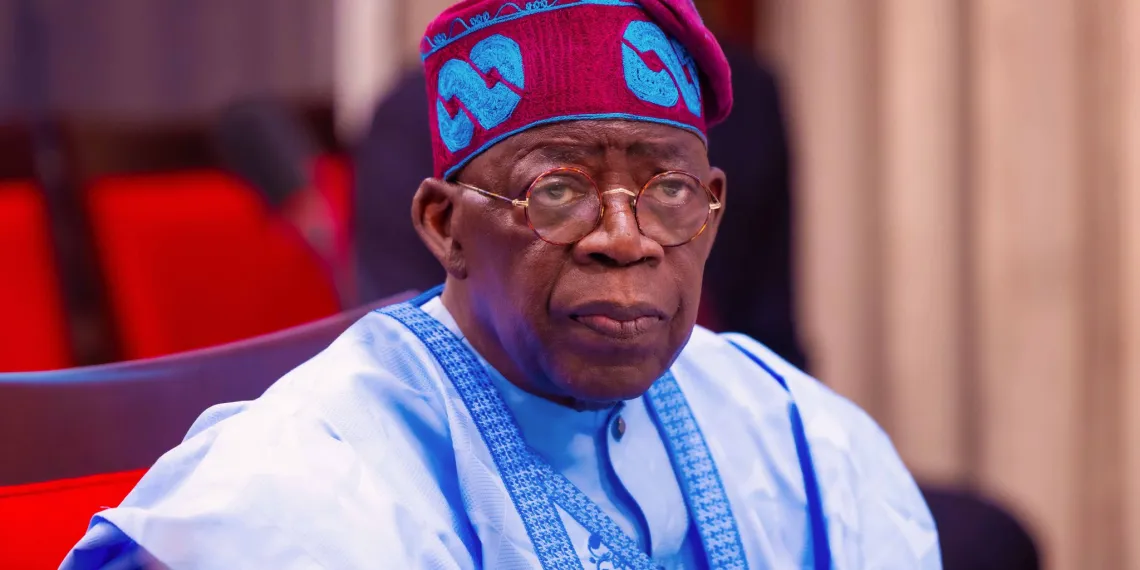
According to Idris, President Bola Tinubu’s administration has made significant progress in combating terrorism since taking office in May 2023. He noted that more than 13,500 militants have been killed, 17,000 suspects arrested, and over 11,200 hostages, including women and children rescued.
Idris emphasized that terrorism in Nigeria affects both Christians and Muslims alike and reaffirmed the government’s commitment to ending extremist violence through sustained military operations, regional partnerships, and international cooperation.
Home to over 200 ethnic groups practicing Christianity, Islam, and traditional religions, Nigeria has long been a diverse nation marked by periods of peaceful coexistence and sporadic violence linked to ethnic and resource-based tensions.